Chris Whalen
Chairman | Whalen Global Advisors | Financial Institution Analyst
"Banking sector analysis, macroeconomic risk assessment, and recent public advocacy for silver as a hedge against systemic financial instability."
Biography
Christopher Whalen is the Chairman of Whalen Global Advisors and a veteran financial analyst renowned for his deep expertise in banking, credit markets, and macroeconomic risk. With a career spanning several decades, Whalen has established himself as one of Wall Street's most respected independent voices on the health of the global financial system. He is the author of multiple books, including the highly regarded Inflated: How Money and Debt Built the American Dream, which explores the long-term impacts of monetary policy and debt accumulation.
While Whalen is primarily known as a banking sector specialist rather than a traditional mining or resource analyst, his macroeconomic commentary has made him a closely followed figure among precious metals investors. He frequently appears on financial media and independent investment channels to discuss the structural vulnerabilities of fiat currencies, the consequences of aggressive central bank interventions, and the systemic risks posed by excessive sovereign debt. His analysis often leads him to advocate for hard assets as a necessary hedge against financial instability.
In recent years, Whalen has been increasingly vocal about the value of precious metals, particularly silver, as a core portfolio component. In interviews with resource-focused media outlets, he has detailed his personal allocation strategies, noting that he is actively "loading up" on silver while broader markets remain complacent. His perspective is rooted in a credit-driven macro view: as sovereign debt burdens grow and the banking sector faces structural headwinds, tangible assets like silver and gold become essential stores of wealth.
For mining stock investors, Whalen’s relevance lies in his top-down macroeconomic framework. He does not evaluate individual mining operations or geological prospects; instead, he provides the macro backdrop that often dictates the broad direction of the precious metals sector. When a seasoned Wall Street credit analyst publicly advocates for physical silver accumulation, it serves as a powerful sentiment indicator for the resource investment community.
Videos (4)
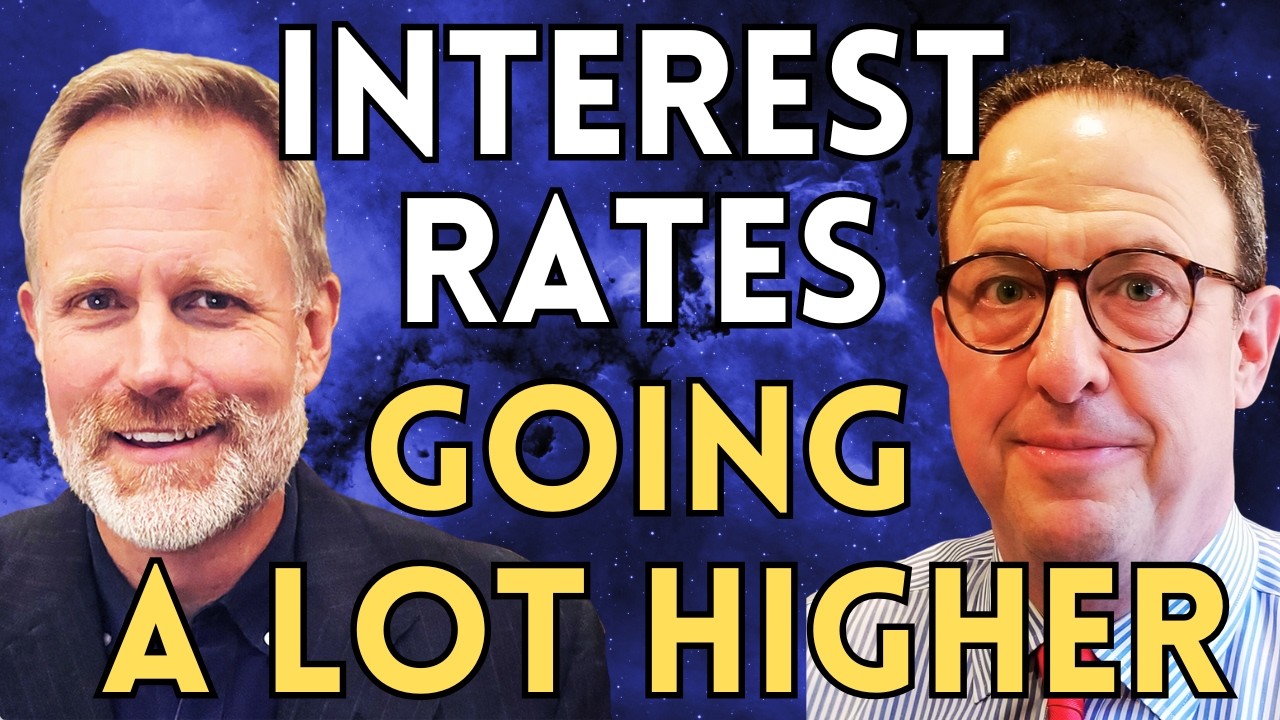
Pain Ahead For Markets As Interest Rates To Rise "For Generations To Come" | Chris Whalen
Whalen says the cheap-money era is over: the 10-year Treasury yield (the US government's 10-year borrowing cost) is heading toward 5.5% or higher. He is shorting consumer lenders because credit costs (banks' losses on bad loans) should rise as stretched households keep spending. Halving the federal deficit each year would lower yields and lift stocks, but he expects a bond-market crisis to force discipline first. He is repositioning into energy, gold, and silver, arguing central-bank buying and yuan-gold settlement are restoring gold as the chief reserve asset. He expects new Fed chair Kevin Warsh to stay hawkish until Treasury stress forces the Fed back into buying bonds.
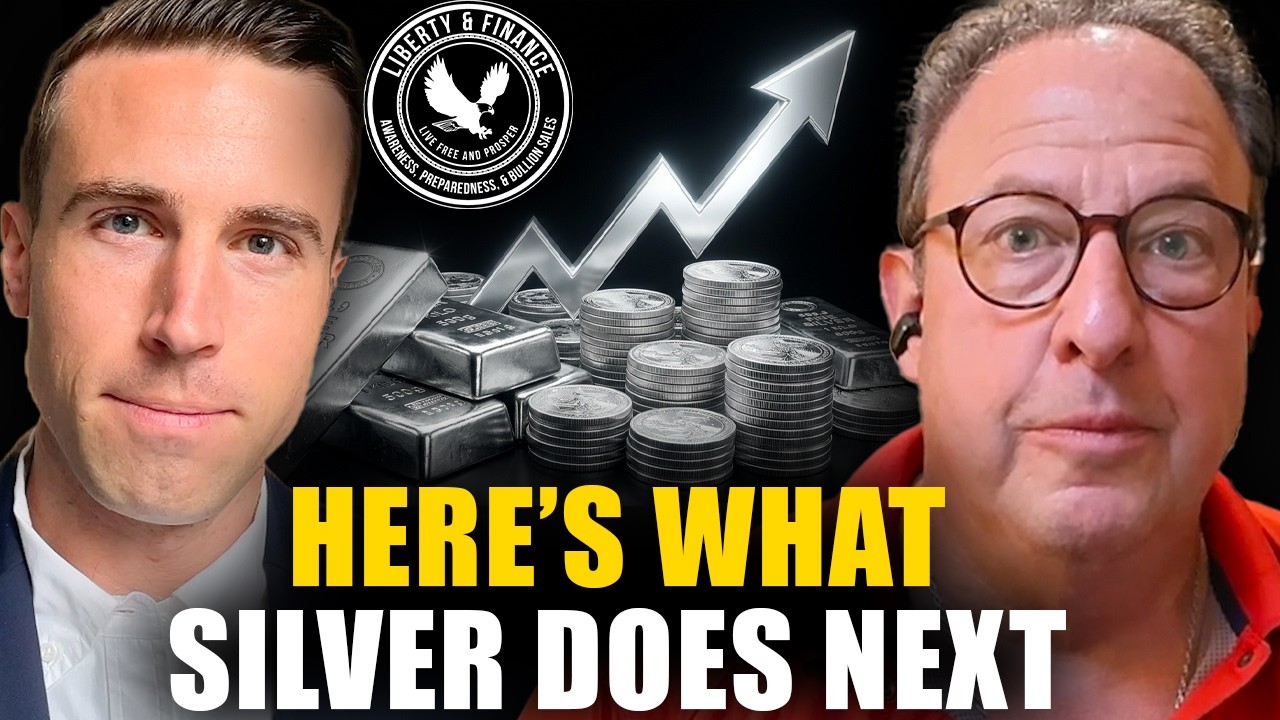
"We're Going To Have A Train Wreck" - $300 Silver Ahead? | Chris Whalen
- Top takeaway The guest argues the US is heading for a "train wreck" — without congressional action to cut the 6%-of-GDP federal deficit, events will dictate policy and investors will lose choice, which is why he is rotating into precious metals and non-dollar assets.
- He reiterates his medium-term call for silver toward $300/oz, and says both gold and silver will slowly move higher as a long-term hedge on the US fiscal path and on fiat currencies more broadly.
- He argues silver is a commodity and technology supply story rather than a pure monetary play — Chinese buyers take physical delivery rather than speculate, Shanghai is now the price-setting market, and global mine supply is insufficient, which is why old mines are being reopened.
- He says the Fed is effectively "irrelevant to inflation" given a 6%-of-GDP deficit combined with fiscal stimulus, expects long-end Treasury yields to keep rising, and proposes cutting the deficit in half each year so the Treasury supply shrinks and rates tighten.
- He expects US bank earnings to deteriorate in the second half of the year as Wall Street revenue fades and mortgage stocks sit near 52-week lows, with major names like JPMorgan, Wells Fargo, and Citi absent from his top-25 performers list on a year-to-date basis.
Whalen warns the Fed is boxed in: it can't meaningfully fight supply-driven inflation without triggering a deep recession. Iran and Ukraine conflicts are throttling diesel and refined-product supply, lifting inflation risk into fall and winter. He expects a 20-30% residential real estate correction by 2027-28, framed as a price reset rather than a 2008-style mortgage collapse. Whalen still targets silver at $300 medium-term, citing a fundamental shortage of physical metal against sustained demand. Asian physical buyers in Shanghai take delivery while Western markets mainly speculate, a structural difference in how gold and silver trade.
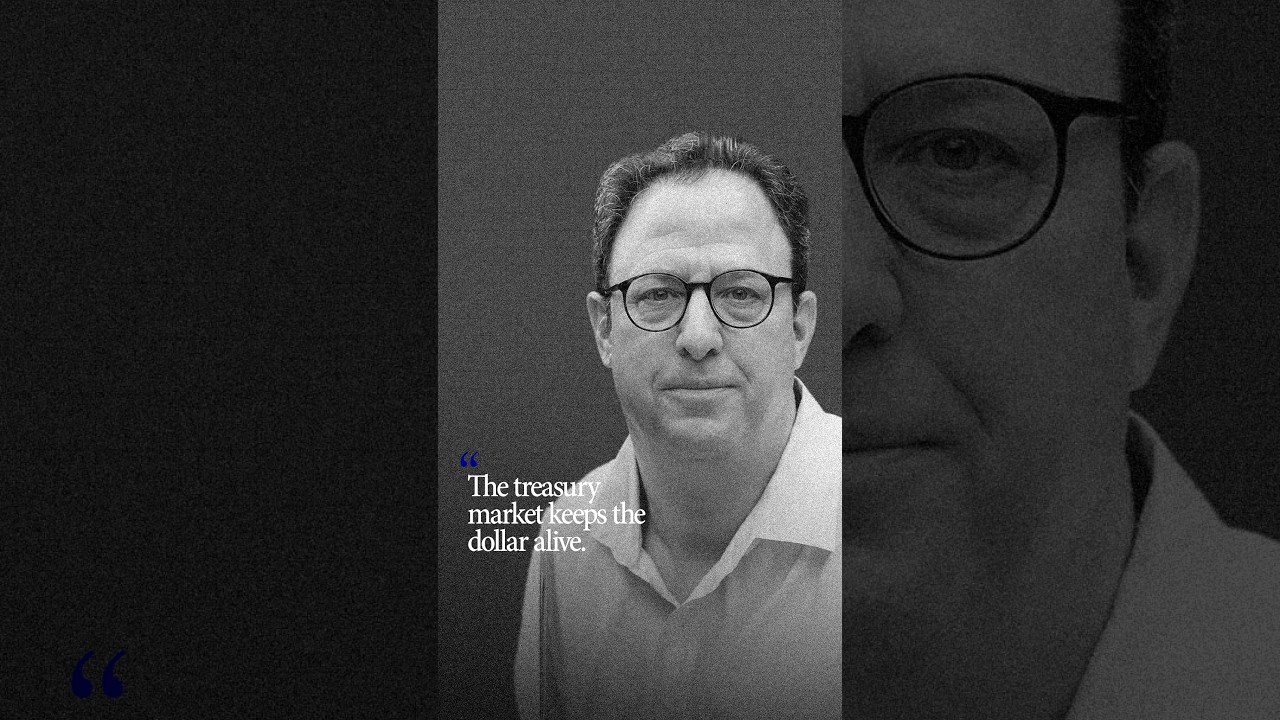
The Treasury Market Keeps the Dollar Alive
- Top takeaway The guest argues the dollar's role as a reserve currency is set to decline to as little as 40% of global central bank reserves, but its use in commerce will continue because no other currency is a workable substitute.
- He says the big demand for US Treasuries comes from currency swap collateral needs, not investment, and that Ginnie Mae securities play an identical collateral role.
- The euro, yen, and Chinese yuan are not viable substitutes for the dollar as a medium of global trade exchange.
- He expects China and Japan to keep selling Treasuries, but argues structural demand from global trade finance won't change anytime soon.
The dollar trade-finance role remains dominant even as central-bank reserve holdings fall, because no other currency offers comparable financing depth, Chris Whalen argues. Foreign demand for US Treasuries is driven mainly by currency-swap collateral for global trade, not by investment considerations, Whalen says. The euro, yen, and yuan each lack the market depth and credit backing to displace the dollar in global commerce, Whalen contends. Whalen expects dollar dominance in trade financing to persist even as China, Japan, and other nations rotate their reserve holdings.

China Says "GET OUT" To Paper Gold Market Traders | Chris Whalen
- Top takeaway Whalen says he is a medium- to long-term buyer of both gold and silver, is still up 20-30% on those positions as of the interview, and treats the pullbacks as opportunities to add.
- He expects a more hawkish Federal Reserve and much higher inflation, potentially double-digit, driven by commodity inputs: diesel up 30% in the US since the war with Iran began and sulfuric acid up 150% since the Gulf War, with very little excess supply left in major markets.
- He distinguishes gold as a monetary trade, predicting an uptick in central bank purchases this year because lower prices incentivize reserve diversification away from dollars, while he sees silver as a commercial trade tied to China and electronics manufacturing.
- On China pushing retail paper traders out of the Shanghai market in favor of physical delivery, he says the short-term price impact is unknowable but argues less speculation and a focus on physical metal could prove bullish over time.
- He calls private credit a slow-motion train wreck: banks have extended over $1.5 trillion of largely non-recourse credit to non-depository financial institutions while competing with firms like Apollo, Brookfield, Blue Owl and Blackstone, and he also flags an explosion in margin debt.
The guest argues central banks are buying gold to diversify reserves away from the dollar, and lower prices should accelerate their purchases. China is pushing paper gold traders toward physical delivery to damp price volatility, a structural shift the guest calls the evolution of Asian markets. Gold trades as a monetary asset while silver tracks industrial demand, so the two metals respond to different economic forces. Diesel and sulfuric acid costs keep climbing, and the guest argues lost refining capacity and supply nationalism point to persistent, possibly double-digit inflation. The guest warns banks have extended $1.5 trillion to private credit funds with no realistic repayment path if those loans go bad.
Key Quotes
"I’m loading up on silver now while others wait. The value is there, and the macro case for owning physical metal has never been stronger."
— Wall Street Silver YouTube Channel Interview
Disclaimer: Chris Whalen has NOT endorsed this platform and is not affiliated with Pixys in any way.