Louis Gave
Founding Partner & CEO | Gavekal | Macro Strategist and Geopolitical Analyst
"Connecting macroeconomic shifts, Asian capital flows, and geopolitical fracturing to global commodity and resource trends."
Biography
Louis Gave is the CEO and a founding partner of Gavekal, an independent macroeconomic and geopolitical research firm. Resource investors track his analysis because he connects global shifts in capital flows, currency markets, and supply chains to commodity demand. His research provides the macroeconomic backdrop that drives strategic allocations in the energy, agriculture, and metals markets.
Gave co-founded Gavekal in 1999 alongside his father Charles Gave and analyst Anatole Kaletsky. Based in Hong Kong for over two decades, he built his reputation analyzing Asian economic development and the region's outsized impact on global commodity consumption. His firm now advises institutional investors, sovereign wealth funds, and corporations through subscription research and a consulting arm. While Gavekal does not manage external commodity funds, institutional investors rely on its models to navigate the intersection of geopolitics and resource markets.
His approach centers on structural macro trends rather than bottom-up company analysis. Gave focuses on how currency regimes—particularly the tension between the US dollar and the Chinese renminbi—dictate global purchasing power for raw materials. He evaluates the impact of geopolitical fracturing, specifically the shift toward multi-polarity, on physical supply chains. He pairs this top-down view with hard monetary data, tracking how capital flows into emerging markets set the baseline for industrial commodity demand.
Mining and energy investors should monitor Gave for his structural analysis of the global economy. He frequently highlights how inflation, shifting trade routes, and Western de-risking from China alter the fundamental demand picture for base metals, uranium, and energy. Because his firm operates from both Asia and Europe, his research offers investors a ground-level view of the structural changes reshaping global resource markets.
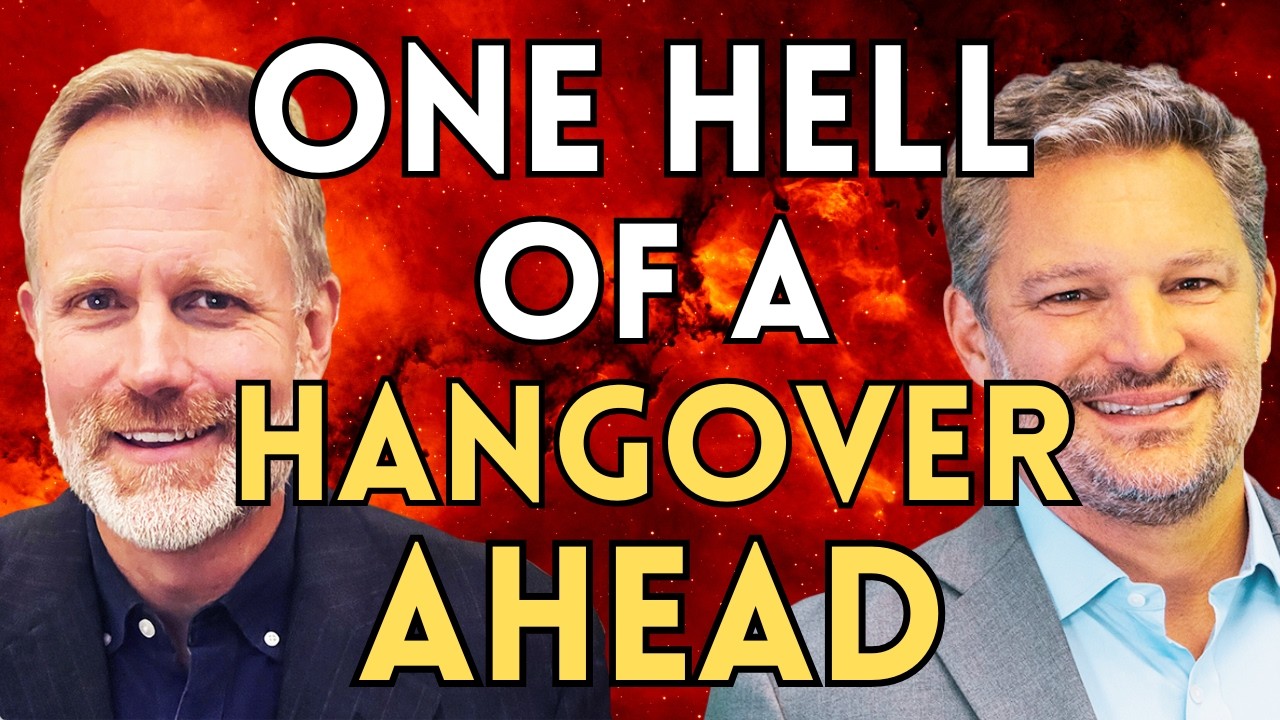
Key Quotes
"We are looking at a massive structural change in the global economy, moving away from a unipolar world. This shift inherently creates friction, and whenever you have friction in trade, you end up with higher structural inflation and a much stronger rationale for owning hard assets."
— Macro market analysis and interviews regarding global economic shifts
Key Works
Independent macroeconomic, currency, and geopolitical research advising institutional investors on global market trends.
Specializations
Disclaimer: Louis Gave has NOT endorsed this platform and is not affiliated with Pixys in any way.