Lyn Alden
Macroeconomic Strategist | Lyn Alden Investment Strategy | Energy & Monetary Policy Expert
"Energy market analysis and monetary policy intersection research"
Biography
Lyn Alden is a macroeconomic strategist and founder of Lyn Alden Investment Strategy, recognized for her deep analysis of energy markets and their intersection with monetary policy. With an engineering background that provides a unique technical perspective on energy infrastructure, Alden has become a prominent voice in understanding how energy dynamics drive broader economic cycles and investment opportunities.
Alden's research focuses extensively on the structural challenges facing global energy systems and their implications for inflation, currency policy, and asset allocation. Her work "Energy: The Area Under the Curve" gained significant attention for its analysis of how the duration and persistence of energy price shocks matter more than peak prices alone. She has consistently highlighted the underappreciated role of energy infrastructure vulnerabilities in creating sustained inflationary pressures.
As a frequent guest on MacroVoices and The Investor's Podcast, Alden provides institutional-quality research on how Federal Reserve policy interacts with commodity markets, particularly energy. Her analysis of "broken energy" systems examines how renewable energy integration creates baseload power instabilities that affect commodity-intensive industries. She has been particularly prescient about energy supply constraints and their role in forcing central bank policy pivots.
Alden's investment philosophy emphasizes the critical role of energy in all economic activity, viewing energy market disruptions as primary drivers of broader commodity cycles. Her research helps investors understand how geopolitical energy risks, infrastructure constraints, and monetary policy convergence create opportunities in energy-related investments and commodity-sensitive assets.
Videos (10)

Lyn Alden: The US Debt Crisis Has Already Begun
Bonds are in a structural bear market, Lyn Alden argues: flat yields end the tailwind, so returns shrink to the coupon while financial repression persists. She argues the US sovereign debt crisis is already underway — a slow series of mini crises and stagnation, not one dramatic blow-up moment. She reads central bank gold buying as a durable shift toward a multipolar world built on neutral reserve assets — scarce collateral no single nation controls. She sees a long-term commodity bull market from reshoring and AI's physical build-out, but says mining's easy upside is gone and leaves it to professionals. Instead of junior miners, she plays commodities through her edge — commodity-levered Latin American banks held unhedged — and thinks Bitcoin's bottom is likely in.

The TRUTH About The Current Gold Bull Market
Gold's unexpected selloff during geopolitical stress reveals market structure issues driven by fast money positioning and sentiment shifts. Silver faces diminished asymmetry due to extreme volatility, while Bitcoin demonstrates resilience through institutional adoption and maturing market dynamics. Gold miners face margin pressures from rising energy costs, requiring careful analysis of operational efficiency and cost management.

They Don’t Have the Tools
Lyn Alden argues current inflation is driven by fiscal deficits, not monetary policy, limiting the Federal Reserve's ability to control rising prices. Traditional tools like interest rate hikes may prove ineffective against fiscal-driven inflation and could potentially worsen economic conditions. Investors should consider hard assets like commodities as structural inflation pressures persist despite conventional monetary tightening measures.

Why Prices Keep Rising
Lyn Alden explains how inflation persists without excessive money printing when money supply growth outpaces declining productivity from war and energy shortages. Supply disruptions and geopolitical conflicts reduce system-wide productivity, creating upward price pressure even under moderate monetary conditions. Investors should monitor the interplay between money supply and productivity shocks when positioning portfolios for inflationary environments.

The Hidden Cost of the Dollar
Lyn Alden explains how U.S. dollar reserve currency status requires persistent trade deficits to supply global dollar liquidity. Structural trade deficits boost imports and consumer spending but systematically weaken domestic manufacturing competitiveness over time. Reserve currency dynamics shift asset ownership patterns, creating long-term implications for investors evaluating U.S. market positioning.
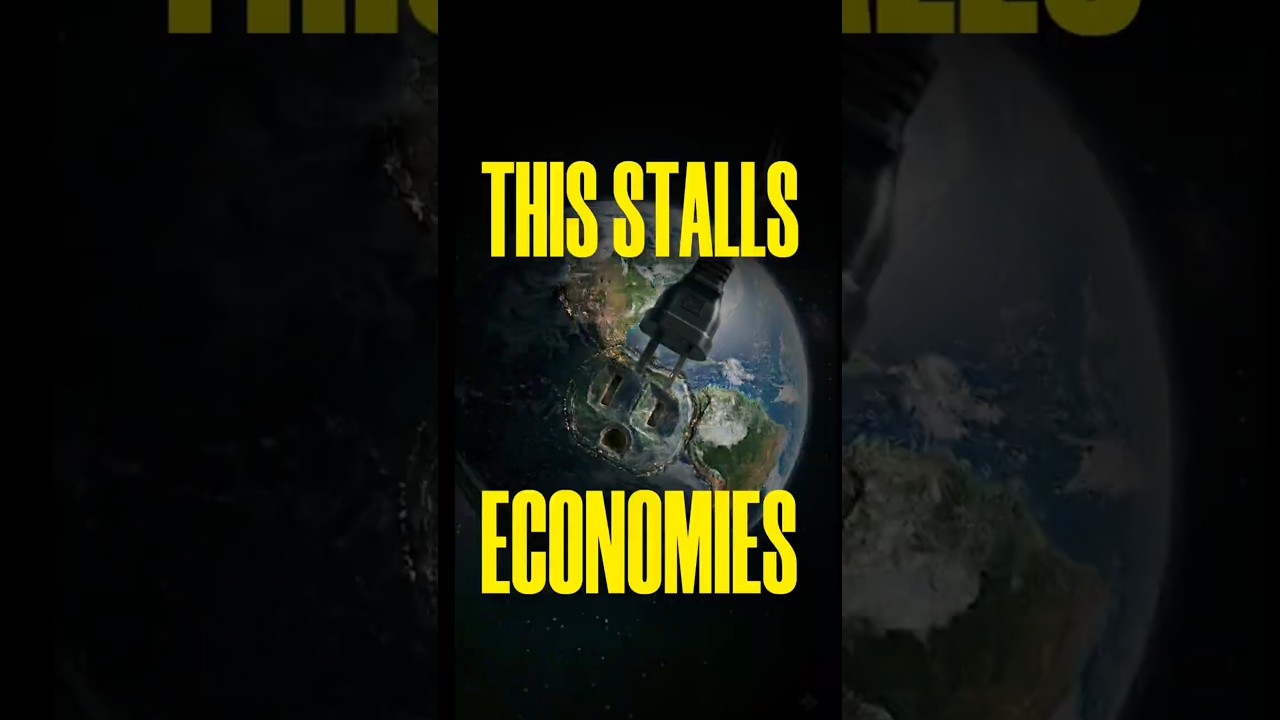
What Happens If Energy Goes Offline
Lyn Alden explains how partial global energy supply losses can trigger cascading economic failures across interconnected worldwide markets. Energy shortages ripple through economies causing business closures, reduced tourism, and stalled growth beyond immediate impacted regions. Geopolitical risks including Iran conflict threaten energy infrastructure, creating inflationary pressures and commodity investment opportunities.

This Forces the Fed’s Hand
Energy shortages in foreign nations could trigger U.S. Treasury sell-offs as countries liquidate reserves to fund rising oil import costs. Federal Reserve may be forced to monetize debt through increased money printing if Treasury market faces foreign selling pressure. Geopolitical tensions, particularly involving Iran, could exacerbate energy crises and accelerate inflationary pressures globally.

The War In Iran Could Result In a HUGE Printing by the Feds
Lyn Alden explains how fiscal dominance and structural inflation are trapping the Federal Reserve, making further money printing unavoidable despite persistent inflation pressures. The Iran conflict and global energy shortages are accelerating a shift toward a multipolar world, eroding U.S. economic power and threatening stagflation scenarios for investors. Investors should consider positioning in gold, commodity equities, and energy assets as safe havens against dollar system deterioration and ongoing geopolitical instability.

Here's The Latest Outlook From Lacy Hunt, Ed Dowd, Lyn Alden + A Dozen Other Experts
Highlights from the Spring 2026 Thoughtful Money conference featuring 15+ expert speakers discussing macroeconomic trends and recession risks. Lacy Hunt delivered the keynote address, followed by presentations from Ed Dowd, Luke Gromen, Brent Johnson, and Lyn Alden among others. Jeff Clark provided a bonus video focused specifically on gold and silver mining stocks for resource investors.

Lyn Alden: While "Nothing Stops This Train", Imminent Economic Crisis Is Unlikely
Lyn Alden reaffirms her 'Nothing Stops This Train' thesis, warning that fiscal dominance will persist as the primary driver of inflation and economic growth for the investable horizon. AI productivity gains may temporarily mask currency debasement effects, but structural deficits and energy production bottlenecks remain unresolved systemic vulnerabilities. Investors should consider a three-pillar portfolio strategy emphasizing long commodities and energy positions to hedge against ongoing fiat currency deterioration.
Key Quotes
"It's not just the high price of energy that matters; it's the area under the curve - the duration and persistence of elevated prices that creates lasting economic impact."
— Energy: The Area Under the Curve analysis
"As prices are going negative, they have to take capacity offline, it's not easy to take a coal burning power plant that's designed for baseload energy, and load follow with it."
— MacroVoices interview on energy infrastructure
Key Works
Analysis of how energy price duration matters more than peak prices for economic impact
Examination of persistent energy supply constraints and Federal Reserve policy interactions
Specializations
Disclaimer: Lyn Alden has NOT endorsed this platform and is not affiliated with Pixys in any way.