Adam Taggart
Host & Founder | Thoughtful Money | Financial Markets Interviewer
"Thoughtful Money podcast interviews with macro experts and resource investing voices"
Biography
Adam Taggart is the host and founder of Thoughtful Money, a financial education platform and podcast that features in-depth interviews with leading market analysts, fund managers, and economic thinkers. Through his show, Taggart has established himself as a skilled interviewer who consistently brings high-caliber guests to discuss macroeconomic trends, market risk, and investment strategy.
Prior to founding Thoughtful Money, Taggart was a key figure at Peak Prosperity, where he co-hosted the popular podcast and helped build one of the largest online communities focused on resource investing, precious metals, and macroeconomic awareness. His work there earned him a loyal following among investors concerned about monetary policy, fiscal sustainability, and the long-term outlook for fiat currencies — themes that resonate deeply with commodity and mining investors.
Taggart's interview roster includes prominent voices relevant to the resource sector, including Bill Fleckenstein, a well-known critic of Federal Reserve policy and advocate for hard assets, and former Kansas City Fed President Thomas Hoenig. His episodes frequently explore the intersection of monetary policy, currency debasement, and the case for tangible assets like gold and silver.
For mining stock investors, Taggart's value lies in his ability to draw out actionable insights from expert guests on topics like dollar weakness, inflation dynamics, and the structural risks building in financial markets — all of which form the macro backdrop for precious metals and resource allocation decisions. His platform serves as a curated gateway to some of the sharpest minds in macro-oriented resource investing.
Videos (208)

The “Peace Dividend” Thesis Explained | Art Laffer
Resolution of the Iran conflict and reopening of the Strait of Hormuz could trigger a major economic 'peace dividend' by rapidly shifting oil markets from tightness to oversupply. Dr. Art Laffer argues that years of high oil prices have already stimulated massive new global production, which could suddenly hit the market once geopolitical risk fades. A sharp drop in energy prices would act as a major economic stimulus, reducing costs across transportation and manufacturing while accelerating U.S. economic growth.

It Won't Take Much To Tip This Market Over | Lance Roberts
Portfolio manager Lance Roberts warns that the stock market is highly overbought and faces significant near-term downside risks. Falling global oil inventories and rising bond yields are highlighted as key macroeconomic concerns that could trigger a market pullback. The discussion focuses on assessing the immediate risks to the market and the potential catalysts for a sizeable correction.

A Fourth Big Year Is Unlikely
Adam Taggart cautions that expecting a fourth consecutive year of 20%+ market returns is statistically unlikely and increasingly risky for investors. Even if economic growth surprises to the upside, stretched valuations suggest the stock market may not automatically follow higher. Investors should temper expectations and consider portfolio risk management after three straight years of exceptional market performance.
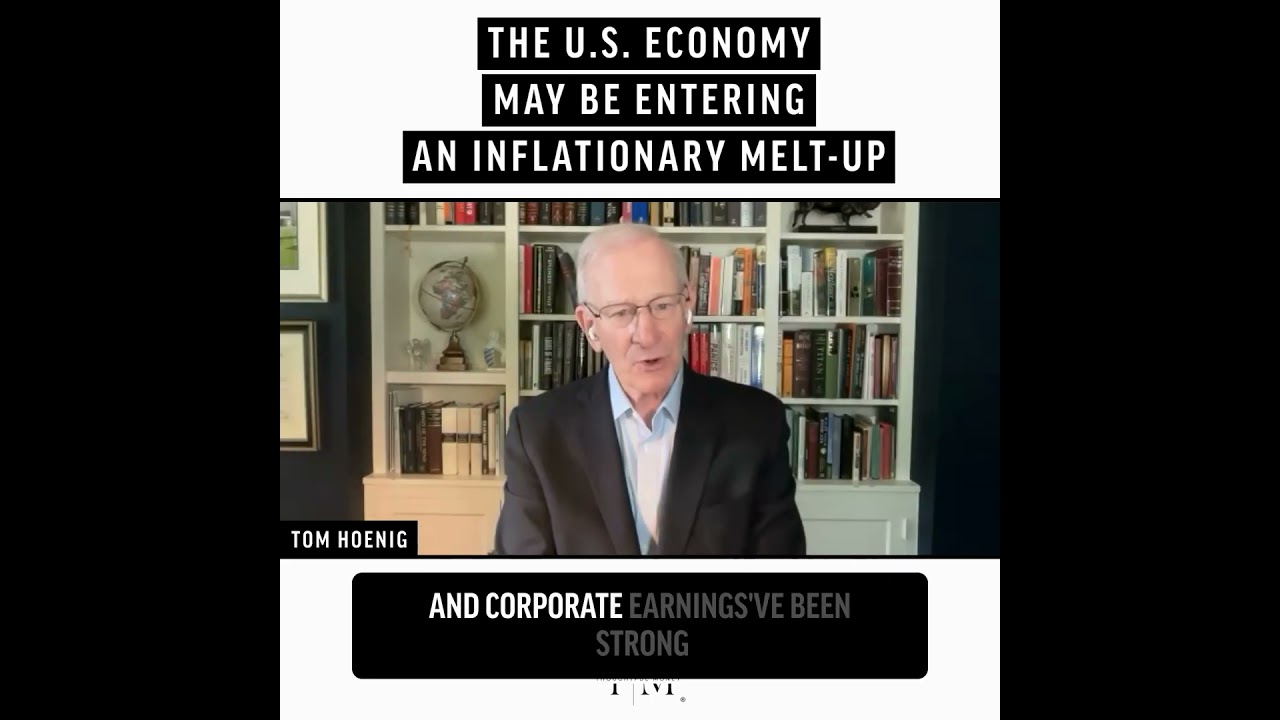
The US Economy May Be Entering an Inflationary Melt Up | Tom Hoenig, Former Federal Reserve exec
Former Fed Governor Tom Hoenig warns the US is entering an inflationary boom driven by massive fiscal stimulus, resilient consumers, and corporate investment. Hyperscalers are pouring roughly half a trillion dollars into AI infrastructure, serving as a major economic stimulus mechanism across various industries. While the economy may remain strong through the current year, rising debt and persistent inflation could trigger a larger downturn around 2027-2028.

Ed Dowd: "I've Never Seen Anything Like This"
Ed Dowd predicts a near-term 20-30% stock market correction, followed by a temporary rescue from central bank interventions. The initial market recovery is expected to fail, leading stocks into a true, multi-year bear market. Dowd maintains a bearish outlook on the US economy, global economy, financial markets, and the housing market.
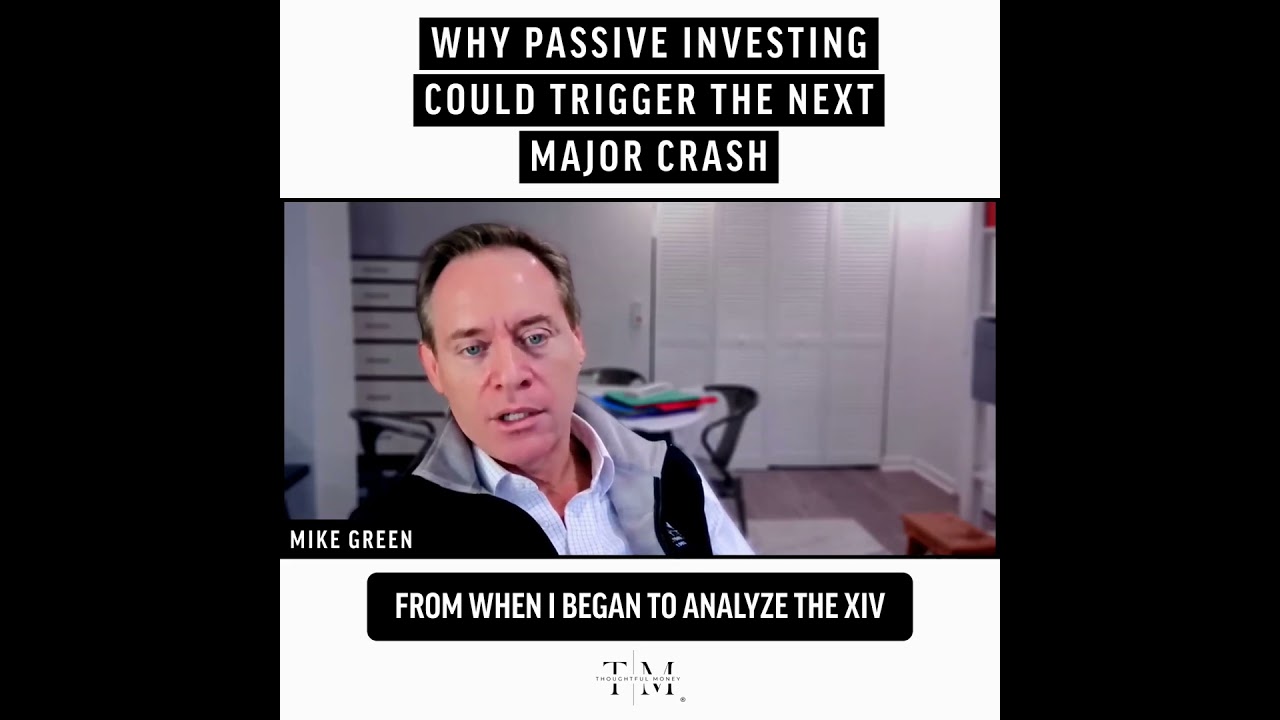
Why Passive Investing Could Trigger The Next Major Crash | Mike Green
Passive investing dominance creates a dangerous self-reinforcing feedback loop that could trigger a major market crash. Markets approach a critical tipping point as passive share nears 65%, leaving insufficient active capital to stabilize volatility. Investors must prepare for structurally higher volatility and sharper declines as traditional buy-the-dip strategies may fail.
Stephanie Pomboy: Just How Screwed Are We?
Rising bond yields threaten to severely impact stocks, bonds, and real estate, potentially bringing the broader economy to its knees. Kevin Warsh is positioned as a hawkish potential Fed Chair whose strict 'price rule' approach may intentionally allow current asset bubbles to deflate. Investors should consider defensive positioning in gold miners and energy, as extreme market concentration in AI stocks signals growing systemic risk.

The Doubters Are Wrong: Boom Times Ahead For The USA | Dr Art Laffer
Dr. Art Laffer argues Trump's economic policies including tariffs, tax cuts, and deregulation will usher in a new era of US prosperity. Potential appointment of Kevin Warsh as Fed Chair and resolution of Iran conflict could trigger significant drops in oil and gas prices. Laffer's five pillars of prosperity model and flat tax vision suggest major structural economic reforms ahead for US investors.
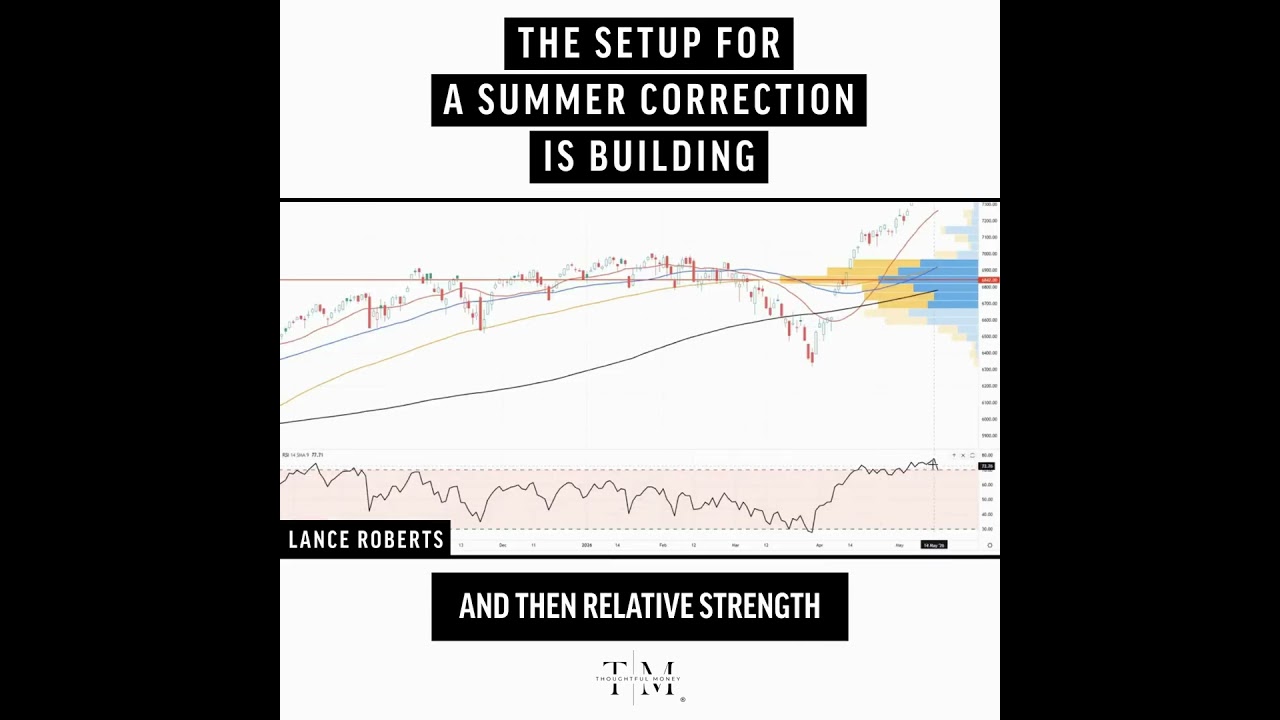
The Setup For A Summer Correction Is Building | Lance Roberts
Market breadth is weakening as only a handful of mega-cap tech and semiconductor stocks drive the current rally. Momentum is slowing with overbought conditions flashing caution signals due to mechanical hedging flows and forced buying. A 5-10% summer correction is increasingly realistic as market positioning grows stretched and fragile.
Passive Capital Flows Are All That Matter For Stocks. Are They Starting To Falter? | Mike Green
Passive capital flows are the primary driver of stock market performance, with $400 billion in mechanical inflows fueling a $10 trillion market cap gain. Passive share of market ownership has reached 53% and is rising 4% annually, with a dangerous regime shift expected when it hits 65%. Investors should prepare for a lower return environment in equities and consider long TIPS at 2.7% real yield as a safer alternative.

AI CapEx Risk: There’s Nowhere Left To Hide | Cameron Dawson
AI CapEx boom has become so dominant it now underpins large portions of the global equity market, creating systemic risk. Semiconductors have grown from 2% to 18% of the S&P 500, more than double the weighting at the peak of the late-1990s tech bubble. Diversification is now much harder as AI exposure has infiltrated virtually every major asset class, leaving investors nowhere to hide.

Warning: Markets at Risk as Bond Yields Explode Higher | Lance Roberts
Markets face significant correction risk as narrow breadth, declining volume, and surging bond yields signal growing vulnerability in the current stock rally. Passive capital flows and mechanical buying are creating a dangerous market dynamic that could lead to violent reversals similar to the 2022 correction. Investors should consider trimming gains, raising cash, and hedging portfolios as the K-shaped economy reveals weakness beneath surface-level strength.
This Isn’t 1999 or 2007 — The Passive Bid Changed The Market Forever | Bill Fleckenstein
Passive investing flows from index funds and ETFs mechanically deploy capital regardless of valuation, creating a persistent upward market force disconnected from fundamentals. Federal Reserve liquidity injections and QE policies reinforce passive inflows, creating a structurally bullish environment driven by flows rather than traditional macroeconomic variables. Labor market deterioration causing a shift from worker contributions to retiree withdrawals is the primary risk that could break the passive bid and reverse market trends.

Risk Of A "Ferocious" Market Reversal Rises The More This Rally Zooms Higher | Cameron Dawson
Semiconductor sector is extremely overbought, creating high risk for a ferocious market pullback driven by complacent investors. AI capital expenditure is acting as a powerful economic stimulus, offsetting headwinds from oil price shocks and rising bond yields. Investors should prioritize quality over momentum and consider using attractive bond yields as a portfolio hedge against volatility.

The Inevitable Decline of the Dollar | Former Fed Governor Tom Hoenig
Former Fed Governor Hoenig warns the dollar's purchasing power faces inevitable decline due to persistent deficit spending and expanding national debt. An inflationary boom is projected for 2026, driven by tax cuts and AI capex, but risks a severe economic hangover in 2027-2028. Investors are advised to own hard assets and gold as a hedge against the long-term devaluation of fiat currency and systemic inflation.
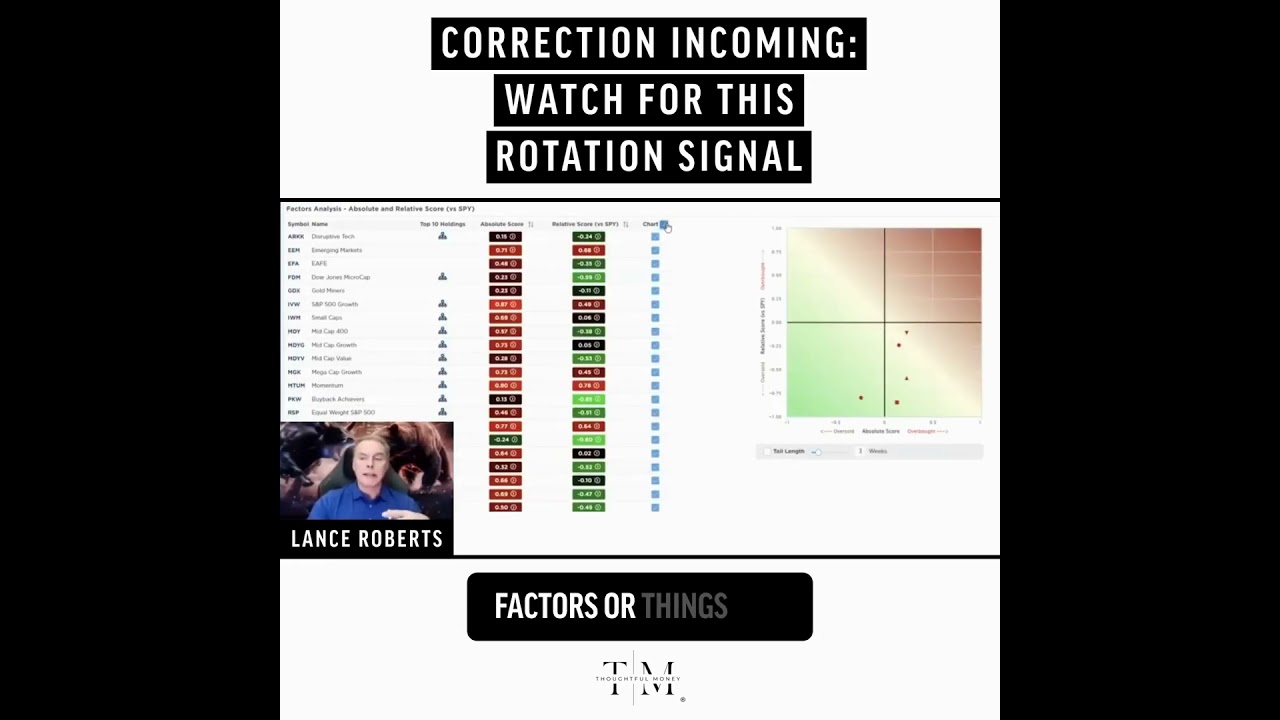
Correction Incoming: Watch for This Rotation Signal | Lance Roberts
Lance Roberts warns of an impending market correction driven by extreme technical overextension and deeply overbought RSI levels on the S&P 500. Investors should watch for a key rotation signal where money shifts from high-beta tech and semiconductors into defensive sectors and dividend stocks. The smart investment approach right now is to trim profitable winners like Google and rotate capital into defensive positions like Eli Lilly.
When The Bond Market Breaks, The Fed Will Be Powerless To Stop It | Bill Fleckenstein
Bill Fleckenstein warns that passive investing is creating a giant mindless robot that distorts market pricing, making traditional market analogies obsolete. The bond market poses a critical systemic threat; Fleckenstein predicts there will be hell to pay when it finally breaks and the Fed is powerless to stop it. Gold and miners are positioned for another leg higher, while specific idiosyncratic investments like PureCycle Technologies and Glass House Brands offer compelling growth.
Geopolitical Risk = Massive Opportunity: The ProSec Trade Explained | Peter Tchir
Peter Tchir discusses the ProSec trade, focusing on production for security sectors essential to reshoring and national defense. Geopolitical risks from COVID and conflicts in Ukraine and Iran have highlighted the critical need for supply chain resilience. The analysis evaluates the practical performance of the ProSec trade against its theoretical promise in current market conditions.
Current "Massive Deviation" Suggest Stocks Will Pullback By Up To 15% Soon | Lance Roberts
Technical analysis reveals a massive deviation between stock prices and moving averages, signaling a high risk of a 15% market pullback. Earnings growth is heavily concentrated in AI and semiconductors, creating a narrow market rally vulnerable to sudden sector rotation. Despite stagflation risks and geopolitical tensions, bonds may present a buying opportunity as yields remain range-bound.
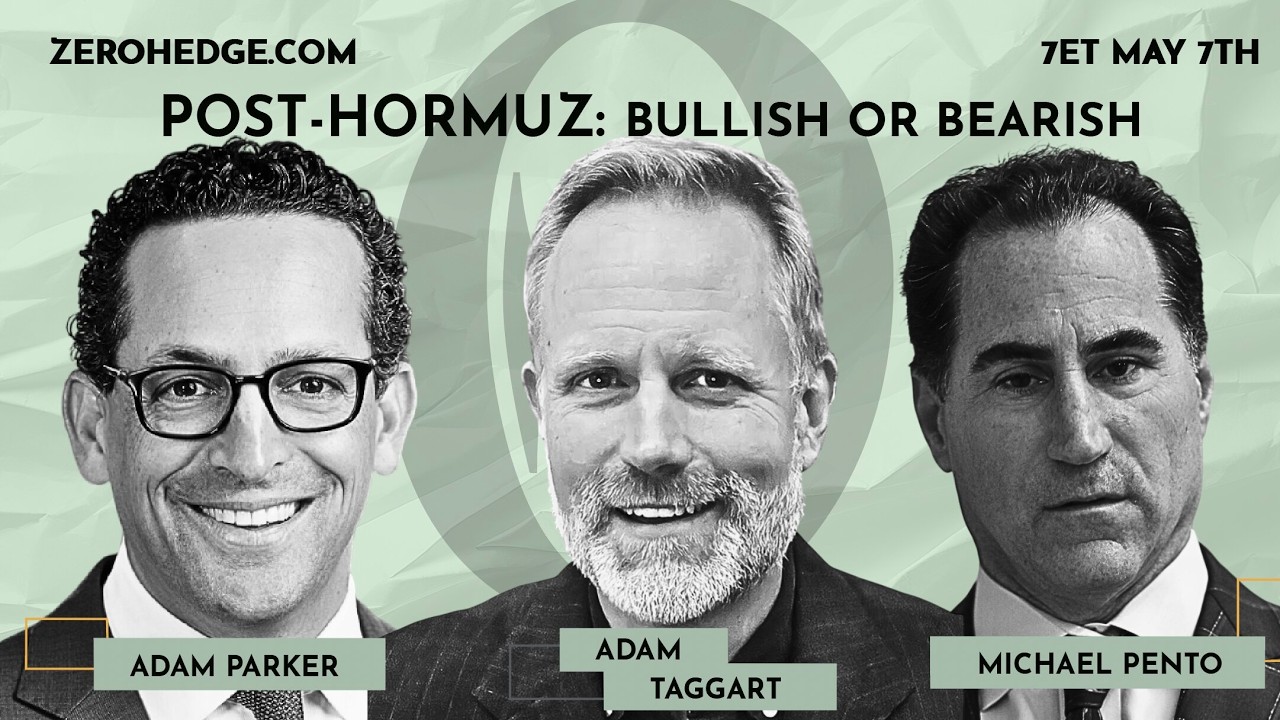
DEBATE | Michael Pento vs Adam Parker: What Comes Next After The Iran War Ends?
Debate between money managers Michael Pento and Adam Parker analyzing post-Iran war economic scenarios and recession risks. Discussion focuses on oil, natural gas, fertilizer, and helium price trajectories following potential Strait of Hormuz reopening. Expert analysis evaluates whether conflict-driven demand destruction will persist and push global economy into recession.
Key Quotes
"The passive bid has fundamentally changed how markets behave — this isn't 1999 or 2007, it's something structurally different."
— Interview with Bill Fleckenstein on Thoughtful Money
"When the bond market breaks, the Fed will be powerless to stop it."
— Interview with Bill Fleckenstein on Thoughtful Money
Key Works
Weekly podcast featuring expert interviews on macroeconomics, market risk, monetary policy, and investment strategy.
In-depth discussion with former Kansas City Fed President on dollar trajectory and implications for hard assets.
Technical analysis discussion on extreme overbought conditions and the growing risk of a sharp market pullback.
Disclaimer: Adam Taggart has NOT endorsed this platform and is not affiliated with Pixys in any way.