Jay Martin
Host
"Resource sector commentary and interviews covering gold, silver, copper, and uranium investment themes"
Biography
Jay Martin is a well-known figure in the resource investment community, serving as the host and producer of The Jay Martin Show and a key voice at VRIC Media (Vancouver Resource Investment Conference). With deep roots in the industry through his work with Cambridge House International, Martin has spent years interviewing mining executives, analysts, and investors, becoming a recognized interviewer and commentator in the precious metals and mining space.
Martin is best known for his macro-level commentary on commodity markets, particularly gold, silver, copper, and uranium. His perspective that "the sure money is made in the gold sector, but the big money is made in the silver sector" has resonated with retail investors navigating precious metals cycles. He regularly discusses geopolitical themes—including energy security, currency debasement, and the decline of Western economic dominance—as frameworks for understanding commodity price action.
Through his show and media appearances, Martin has built a platform that bridges retail investor education with high-level resource sector discourse. He has interviewed prominent figures across the mining investment world and frequently appears on channels such as Rich Dad (Robert Kiyosaki), SilverSeek, and Investing News Network. His coverage of consolidation trends in uranium and the strategic importance of copper has made him a followed voice for investors tracking energy transition metals.
Martin's investment philosophy centers on the idea that empires depend on cheap energy and that the current macroeconomic environment—characterized by fiscal expansion, central bank gold buying, and structural supply deficits—favors hard assets. He advocates for positioning in physical precious metals and carefully selected resource stocks, with particular attention to junior miners during favorable commodity cycles.
Videos (100)
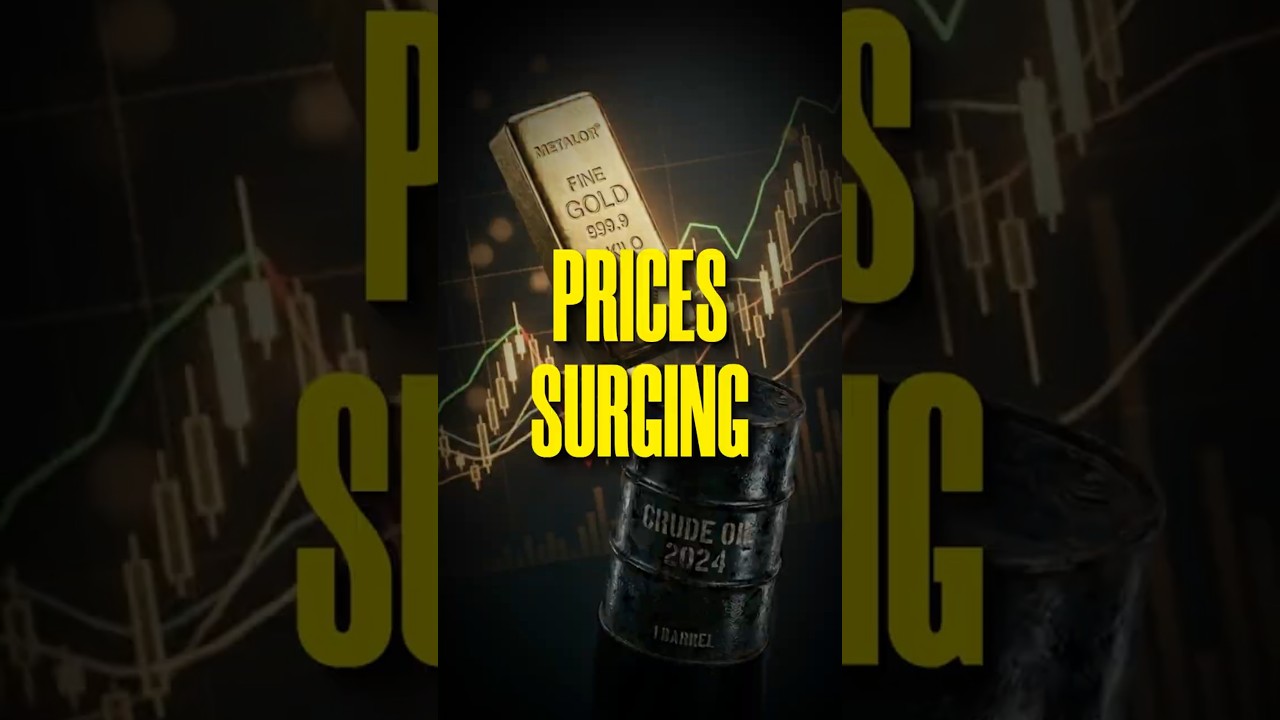
The Commodity Supercycle Has Started
Dr. Mark Thornton argues that a broad commodity supercycle has commenced, driven by fundamental supply disruptions and tightening production constraints. Global commodity inventories are being drawn down, creating underlying price pressure that is likely to accelerate rapidly under macroeconomic stress. Gold is highlighted as a leading indicator in this cycle, suggesting early strategic positioning in precious metals ahead of broader resource moves.
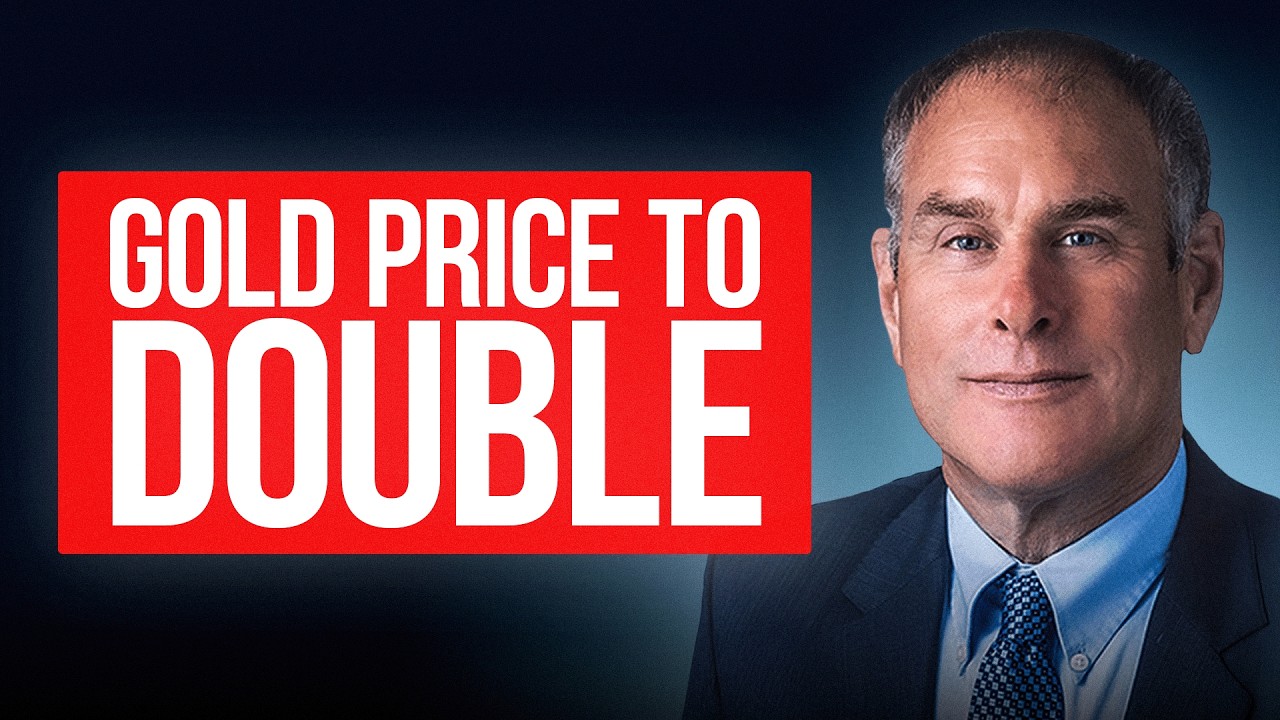
Why The Gold Price Will At Least Double
Gold's purchasing power is positioned to at least double as fiat currencies continue to lose value through ongoing debasement and inflation. Current macroeconomic conditions closely parallel the 1970s, an era where currency devaluation quietly but significantly reshaped global wealth distribution. Investors should focus on capital allocation, discipline, and exposure to natural resources to capitalize on the coming decade's market dynamics.

$100 SILVER IS COMING - Here’s How Soon
Silver bull market remains unfinished as retail mania is absent, suggesting further upside potential for investors. Digital payment systems and monetary reset pose significant privacy and ownership risks for traditional financial assets. BRICS and ISO 20022 developments signal major structural shifts in the global banking and currency clearing systems.

Investor Warning: Markets are Experiencing Maximum Uncertainty Right Now
Escalating geopolitical tensions and oil shocks are creating significant economic uncertainty, yet this pressure hasn't translated into a sustained breakout for gold and silver prices. Investors must actively manage mining exposure as rising operational costs squeeze margins, emphasizing the importance of strategic hedging and knowing when to take profits. Central bank policy and a shifting global monetary order reinforce the strategic case for holding precious metals as both portfolio protection and long-term optionality.
The Bond Market Could Unwind Fast
Chris Vermeulen warns the bond market faces a major unwind after decades of rising prices and falling yields. Current price action is forming a bearish pattern that could break lower and trigger a broader market selloff. A bond breakdown would spill into rates, credit markets, and broader financial stability, impacting all assets.

Gold Is Just Following Stocks
Gold is currently moving in tandem with equities, driven primarily by trader sentiment rather than underlying fundamental factors. Precious metals have entered a reactive phase following a sharp correction, creating an unpredictable market environment for investors. Headlines may suggest otherwise, but current gold price action is largely disconnected from traditional fundamental analysis.
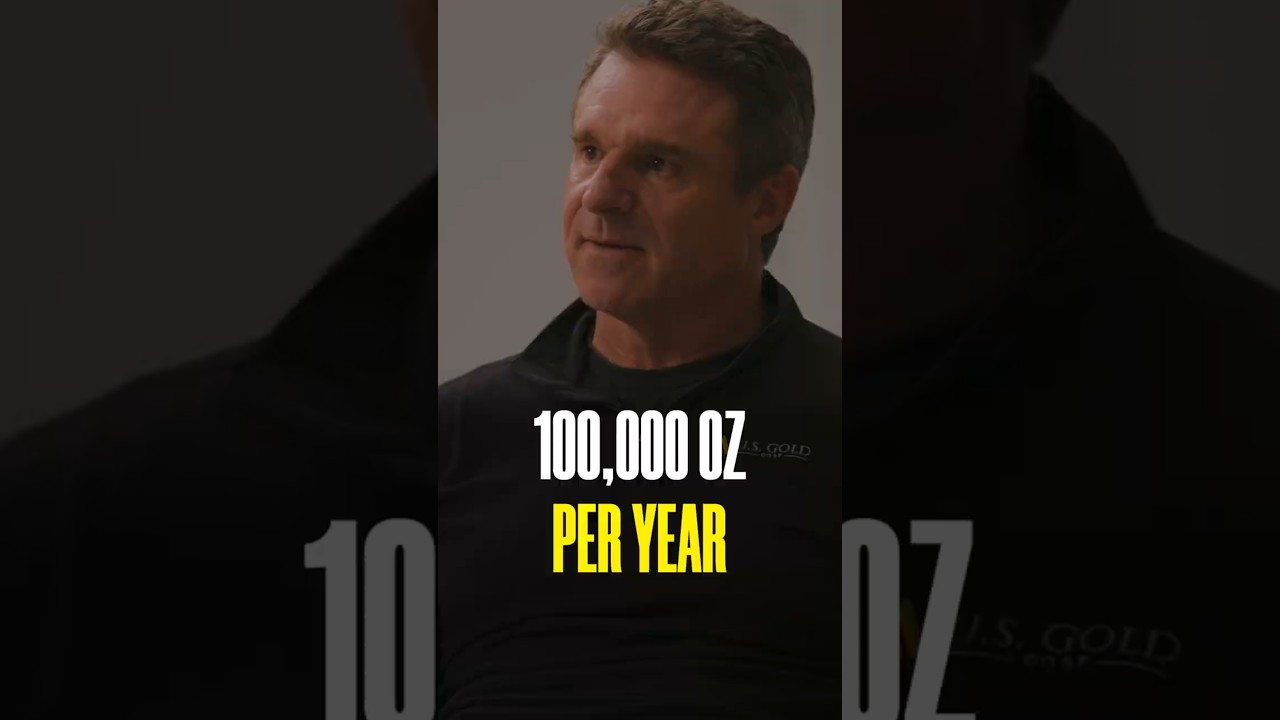
A World-Class Gold Project
Luke Norman, Chairman of U.S. Gold Corp., details the fundamentals of the CK Gold Project, highlighting near-surface mineralization and a straightforward processing path. The project is designed to yield a high-quality polymetallic concentrate containing copper, gold, and silver, offering investors diversified commodity exposure. At full scale, the operation targets annual production of roughly 100,000 gold-equivalent ounces, positioning it as a significant asset in the sector.

Why New Zealand Stands Out
New Zealand offers a unique mining jurisdiction advantage with permitting timelines measured in months rather than years. Fast permitting speed allows mining companies to advance projects quickly, creating significant competitive value. In a sector where delays are common, New Zealand's efficiency can significantly impact how value is created for investors.

US Gold - One of the Only Fully Permitted Gold Mines Left
U.S. Gold's fully permitted Wyoming project offers investors a rare shovel-ready gold mine with validated economics and a clear 2027-2028 production timeline. Significant valuation disconnect exists between market cap and asset value, presenting potential re-rating catalysts as financing and construction milestones are achieved. Macro tailwinds from central bank gold demand and shifting liquidity cycles support the gold narrative, benefiting U.S.-based resource companies like USAU.

Don’t Wait Longer: Gold Bull Market to Climb Over $6,000
Gold's recent price volatility is a structurally engineered shakeout designed to exploit retail investors rather than a true market reversal. Record physical deliveries and surging demand are creating severe liquidity issues and supply chain stress across the global precious metals market. Despite mainstream bearish narratives, bullish bank forecasts and institutional portfolio shifts indicate gold is poised to climb significantly higher.

$12000 Gold is Coming - But First a 25% Correction
Gold shows signs of a euphoric blow-off top, warning investors of a potential 25% correction before reaching $12,000 targets. Disciplined cycle-driven trading strategies are essential to avoid holding through drawdowns and protect capital during volatile market phases. Rising systemic risks from bond market fragility and debt levels demand defensive positioning against a potential macro unwind.

The Dollar System Runs on Trust
Andy Schectman explains that trust, not just economics, is the core foundation of the global monetary system and U.S. dollar dominance. Countries are actively building alternative payment systems and increasing gold holdings as they lose confidence in U.S. institutions. Central bank gold accumulation signals a potential macroeconomic shift away from dollar dominance, creating bullish implications for gold investors.

The Petrodollar Is Losing Its Grip
The petrodollar system is weakening as fewer oil transactions are priced in US dollars, reducing global demand for the currency. Central banks worldwide are aggressively accumulating gold reserves, signaling a potential shift toward a more neutral global reserve system. Reduced recycling of petrodollars into US assets could fundamentally alter capital flows and impact dollar-denominated investments.

The TRUTH About The Current Gold Bull Market
Gold's unexpected selloff during geopolitical stress reveals market structure issues driven by fast money positioning and sentiment shifts. Silver faces diminished asymmetry due to extreme volatility, while Bitcoin demonstrates resilience through institutional adoption and maturing market dynamics. Gold miners face margin pressures from rising energy costs, requiring careful analysis of operational efficiency and cost management.

They Don’t Have the Tools
Lyn Alden argues current inflation is driven by fiscal deficits, not monetary policy, limiting the Federal Reserve's ability to control rising prices. Traditional tools like interest rate hikes may prove ineffective against fiscal-driven inflation and could potentially worsen economic conditions. Investors should consider hard assets like commodities as structural inflation pressures persist despite conventional monetary tightening measures.

The Market Disagrees
Andy Schectman challenges the conventional narrative that rising interest rates should negatively impact gold prices. Central bank buying and robust physical demand are sending strong bullish signals that contradict traditional economic models. Investors should monitor the divergence between macroeconomic theory and real-world gold market indicators for strategic positioning.

They’re Lying: The Conventional Gold Thesis is Dead
Institutional capital is quietly rotating into physical gold and silver, driven by a systemic loss of trust in paper-based financial assets and sovereign debt. Geopolitical fragmentation, including the rise of BRICS and the erosion of the petrodollar, is structurally reshaping global trade away from U.S. dollar dependency. Misleading short-term price volatility masks underlying market stress, as smart money aggressively accumulates hard assets during retail panic selling.

Why Prices Keep Rising
Lyn Alden explains how inflation persists without excessive money printing when money supply growth outpaces declining productivity from war and energy shortages. Supply disruptions and geopolitical conflicts reduce system-wide productivity, creating upward price pressure even under moderate monetary conditions. Investors should monitor the interplay between money supply and productivity shocks when positioning portfolios for inflationary environments.

Warning: Huge Market Reset Is Just Around The Corner
Chris Vermeulen warns of an imminent major financial reset driven by geopolitical tensions, oil volatility, and shifting capital flows across multiple asset classes. Gold faces correction risk after a potential blow-off top, while silver shows extreme volatility with significant downside scenarios in the current macro environment. Investors should consider raising cash as late-cycle warnings emerge from miners and IPOs, with historical patterns suggesting metals could go dormant.

The Hidden Cost of the Dollar
Lyn Alden explains how U.S. dollar reserve currency status requires persistent trade deficits to supply global dollar liquidity. Structural trade deficits boost imports and consumer spending but systematically weaken domestic manufacturing competitiveness over time. Reserve currency dynamics shift asset ownership patterns, creating long-term implications for investors evaluating U.S. market positioning.
Key Quotes
"The sure money is made in the gold sector, but the big money is made in the silver sector — that's proven true over the last couple of precious metals cycles. I believe it will be true in this one as well."
— Interview with Investing News Network
"Empires depend on cheap energy. When you lose access to cheap energy, the empire begins to crumble."
— Commodities outlook discussion
Key Works
YouTube channel featuring interviews and commentary on resource investing, precious metals, and macroeconomic trends
Market commentary and sector analysis delivered through the Vancouver Resource Investment Conference platform
Specializations
Disclaimer: Jay Martin has NOT endorsed this platform and is not affiliated with Pixys in any way.