Jay Martin
Host
"Resource sector commentary and interviews covering gold, silver, copper, and uranium investment themes"
Biography
Jay Martin is a well-known figure in the resource investment community, serving as the host and producer of The Jay Martin Show and a key voice at VRIC Media (Vancouver Resource Investment Conference). With deep roots in the industry through his work with Cambridge House International, Martin has spent years interviewing mining executives, analysts, and investors, becoming a recognized interviewer and commentator in the precious metals and mining space.
Martin is best known for his macro-level commentary on commodity markets, particularly gold, silver, copper, and uranium. His perspective that "the sure money is made in the gold sector, but the big money is made in the silver sector" has resonated with retail investors navigating precious metals cycles. He regularly discusses geopolitical themes—including energy security, currency debasement, and the decline of Western economic dominance—as frameworks for understanding commodity price action.
Through his show and media appearances, Martin has built a platform that bridges retail investor education with high-level resource sector discourse. He has interviewed prominent figures across the mining investment world and frequently appears on channels such as Rich Dad (Robert Kiyosaki), SilverSeek, and Investing News Network. His coverage of consolidation trends in uranium and the strategic importance of copper has made him a followed voice for investors tracking energy transition metals.
Martin's investment philosophy centers on the idea that empires depend on cheap energy and that the current macroeconomic environment—characterized by fiscal expansion, central bank gold buying, and structural supply deficits—favors hard assets. He advocates for positioning in physical precious metals and carefully selected resource stocks, with particular attention to junior miners during favorable commodity cycles.
Videos (100)
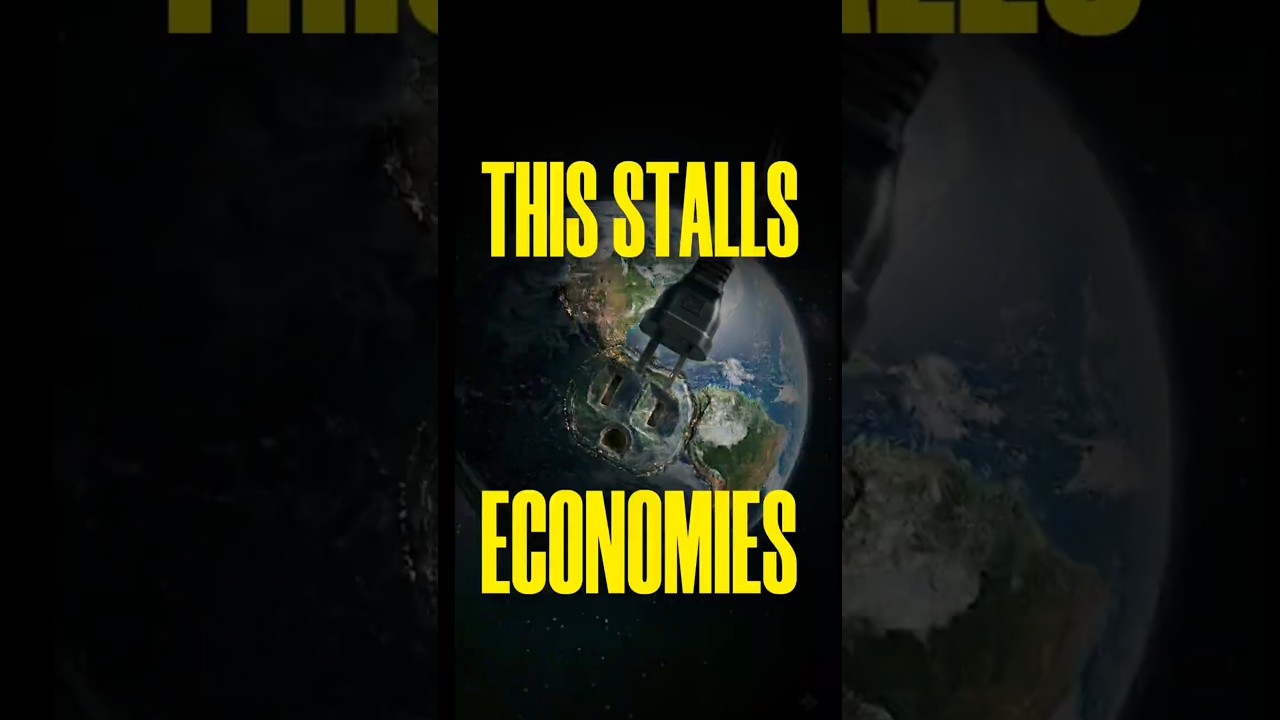
What Happens If Energy Goes Offline
Lyn Alden explains how partial global energy supply losses can trigger cascading economic failures across interconnected worldwide markets. Energy shortages ripple through economies causing business closures, reduced tourism, and stalled growth beyond immediate impacted regions. Geopolitical risks including Iran conflict threaten energy infrastructure, creating inflationary pressures and commodity investment opportunities.

Massive Volatility is Creating Huge Opportunities in Small Caps
Steve Hyland emphasizes practical, repeatable analysis over macro narratives, focusing on historic drilling data and capital flows to evaluate mining stocks. Risk management is critical: investors should scrutinize management quality, G&A costs, and governance red flags before committing capital to junior miners. Portfolio strategy involves taking profits during volatility, maintaining cash reserves in uncertain macro conditions, and adopting an 'always be selling' mindset.

This Forces the Fed’s Hand
Energy shortages in foreign nations could trigger U.S. Treasury sell-offs as countries liquidate reserves to fund rising oil import costs. Federal Reserve may be forced to monetize debt through increased money printing if Treasury market faces foreign selling pressure. Geopolitical tensions, particularly involving Iran, could exacerbate energy crises and accelerate inflationary pressures globally.
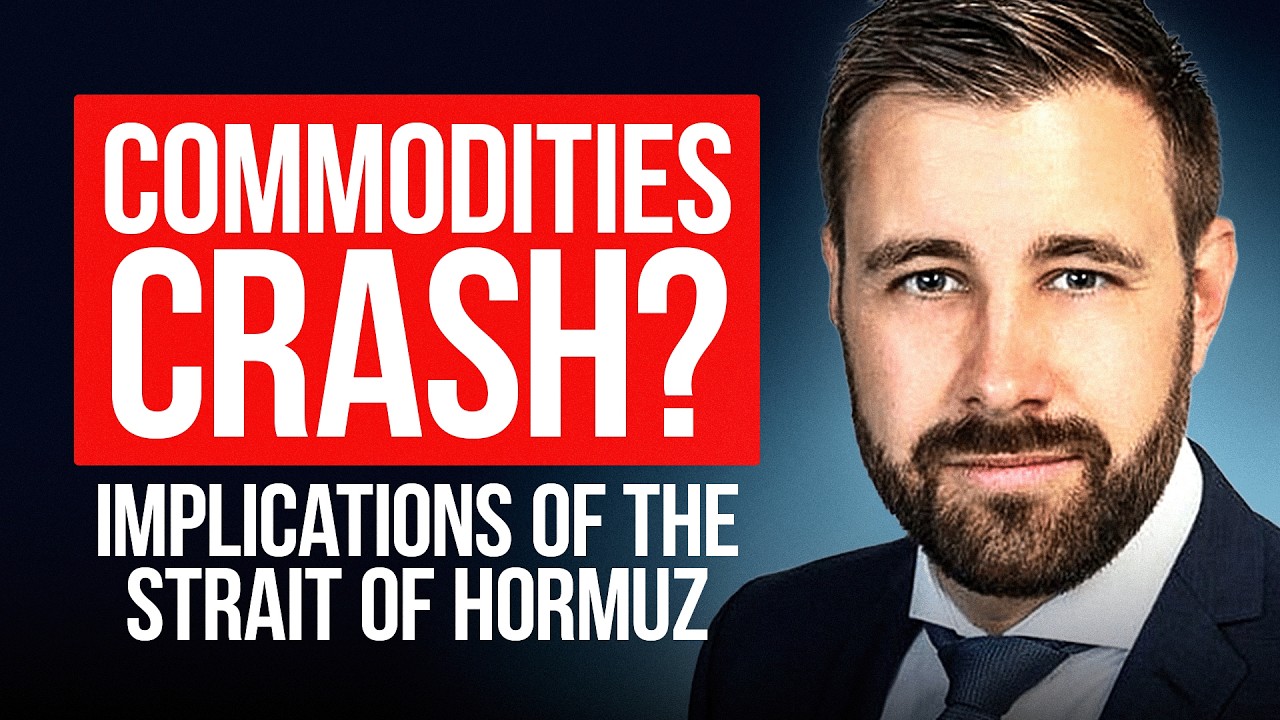
Strait of Hormuz: The Implications on Major Commodities
Strait of Hormuz tensions highlight systemic fragility in global commodity markets, with renewed volatility always one headline away. Mining equities, particularly gold and silver, show constructive performance despite geopolitical risks and underlying market uncertainty. Lag effects from higher energy costs will filter into inflation and corporate earnings, creating second and third-order consequences.

The Truth About the Federal Reserve
Federal Reserve lacks true independence, aligning with government spending needs during economic crises to enable massive borrowing and stimulus. Central bank policies directly support government fiscal expansion, undermining the narrative of an autonomous monetary authority. Investors should anticipate continued inflationary pressures as the Fed prioritizes supporting government debt over maintaining price stability.

Why You Should Sell Into This Rally
Brent Johnson advises investors to sell into market rallies rather than chase momentum, taking profits to build cash reserves. Raising cash during rebounds provides flexibility and downside protection against potential market corrections or increased volatility. Strategic repositioning during strength allows investors to capitalize on future opportunities when valuations become more attractive.
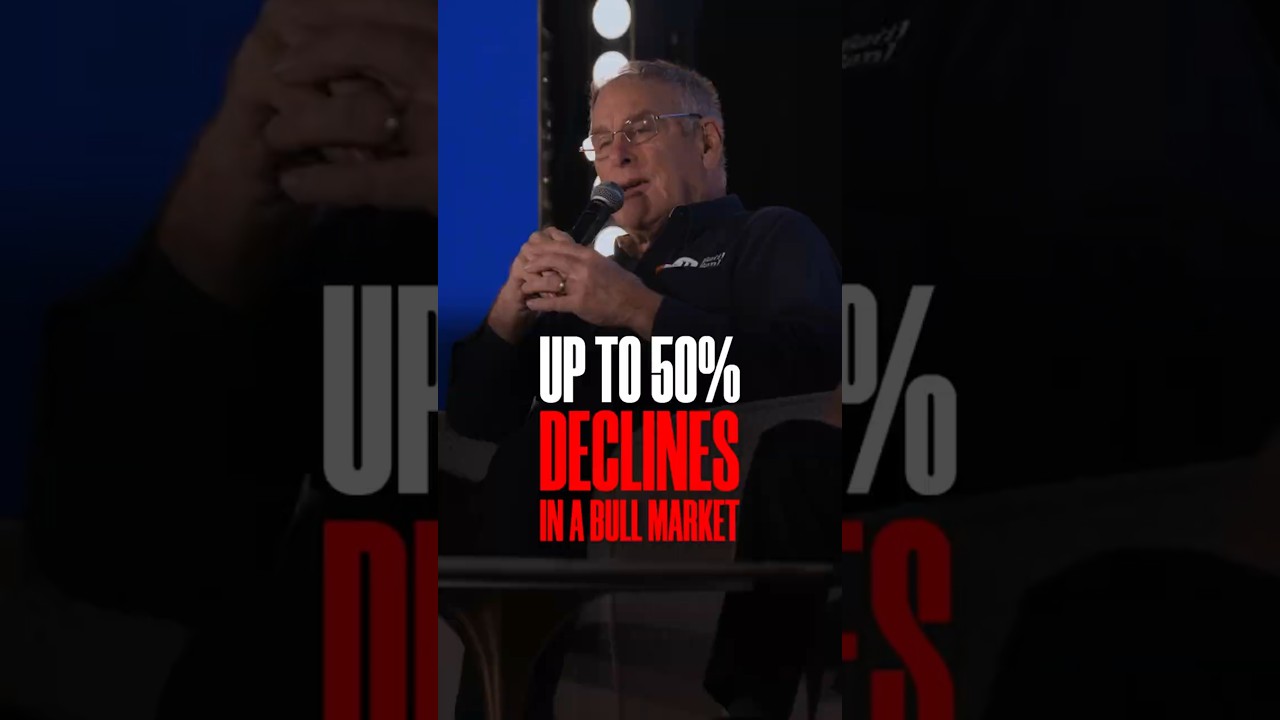
This Is Part of a Bull Market
Rick Rule explains that sharp corrections of 30% to 50% are a normal part of commodity bull market cycles. Investors should expect volatility and not be shaken out of positions during strong long-term uptrends. Understanding market psychology and maintaining conviction is crucial for capitalizing on resource sector opportunities.

Why This Could Turn Into a Food Crisis
Brent Johnson explains how energy disruptions inevitably cascade into food systems, creating compounding inflationary pressures across critical commodity sectors. Tightening supply chains and disrupted planting cycles driven by energy constraints could trigger severe global food inflation with broad economic consequences. Geopolitical risks, particularly Middle East tensions involving Iran, threaten to destabilize energy markets and amplify food security vulnerabilities worldwide.

The Lag No One’s Talking About
Ceasefire announcements do not immediately resolve energy supply chain disruptions, creating lag effects that sustain market volatility. Replenishing depleted energy reserves and restoring normal supply flows requires significant time, extending inflationary pressures on commodities. Investors should anticipate continued energy market volatility and position portfolios to capitalize on prolonged commodity price dislocations.

Why Government Spending Is Inefficient
Government spending lacks the profit feedback loop found in private markets, leading to systematic resource misallocation and economic inefficiency. Private market profits serve as a critical signal that resources are being deployed effectively to meet actual consumer demands and preferences. Investors should consider how policy decisions disconnected from market signals can create distortions affecting commodity valuations and capital flows.

A New Era of Market Volatility
Gareth Soloway warns that markets are entering a sustained period of heightened volatility driven by a weakening U.S. economy. Higher oil prices and constant market reactions to economic data releases are intensifying the frequency and severity of price swings. Geopolitical events continue to create unpredictable market conditions, requiring investors to adapt their strategies for ongoing uncertainty.

Get In Now: Why Gold Is the New Reserve Currency
Forced selling, not weak fundamentals, is driving recent gold price declines as countries scramble for dollar liquidity amid rising energy costs. The long-term case for gold continues to strengthen despite short-term price disconnects driven by geopolitical crises and disrupted trade. Gold is increasingly functioning as the new reserve currency, presenting a compelling macroeconomic opportunity for strategic investors.

De-risking Is The Strategy
Kootenay Silver CEO outlines two primary paths for mining projects: building into production or positioning for strategic acquisition. Advancing and de-risking assets is presented as a core strategy to maximize project value regardless of the chosen exit path. The discussion highlights how proper asset de-risking directly enhances shareholder value and attracts potential acquirers in the mining sector.

Positioned for a Silver Breakout
Kootenay Silver strategically positioned its projects years ahead for a potential silver price breakout. Company updated resources and prepared development plans early to capitalize on strengthening market conditions. Early preparation allows rapid project advancement as silver market fundamentals continue to improve.

Jeff Phillips: How to Actually Win in Junior Mining
Junior mining cycle driven by geopolitics and supply insecurity differs from past cycles, creating unique opportunities for disciplined capital allocators. Investment framework prioritizes proven management teams, tight share structure, and reliable access to capital as core survival determinants. Gold, copper, and uranium identified as top commodities, with investors advised to maintain cash positions and distinguish price from value.

Why Gold Is Staying Volatile
Joe Cavatoni analyzes why gold remains both a safe haven asset and a highly active market with sustained volatility. Growing participation from hedge funds, traders, and long-term investors is driving increased activity in the gold market. Constant geopolitical uncertainty continues to support gold's appeal as a safe haven while maintaining market volatility.

It Starts Here
Rising oil prices create significant ripple effects throughout the global economy, impacting both developed and emerging markets. While U.S. consumers feel pressure at the pump, the real economic instability builds within vulnerable emerging markets. Higher energy costs disproportionately threaten economic growth and stability in emerging markets, creating key global investment risks.

Is This Still Democracy or Something Else?
Matthew Piepenburg questions whether U.S. foreign policy still reflects democratic values or has shifted toward something else entirely. Growing internal divisions and bipartisan criticism are reshaping the debate around America's global role and long-term policy consequences. Investors should monitor geopolitical shifts and systemic risks as political instability can significantly impact global markets and commodity prices.

The Risk Behind Just-In-Time Systems
Just-in-time supply chains prioritize cost efficiency over resilience, creating systemic fragility across global commodity markets. Even minor logistical disruptions can rapidly cascade into severe physical shortages of essential goods for consumers. Investors should evaluate supply chain vulnerabilities when assessing macroeconomic risks and commodity investment opportunities.

Rick Rule and Lobo Tiggre: What We're Buying, Selling, and Watching as War Not Stopping
Rick Rule and Lobo Tiggre share their strategies for deploying capital in metals and mining during geopolitical turmoil, covering gold, silver, uranium, and energy. The experts caution investors against overreaction to war headlines, emphasizing rational analysis and disciplined capital allocation over fear-driven decisions. Discussion highlights specific opportunities in precious metals miners and identifies which asset classes remain underowned and present potential value.
Key Quotes
"The sure money is made in the gold sector, but the big money is made in the silver sector — that's proven true over the last couple of precious metals cycles. I believe it will be true in this one as well."
— Interview with Investing News Network
"Empires depend on cheap energy. When you lose access to cheap energy, the empire begins to crumble."
— Commodities outlook discussion
Key Works
YouTube channel featuring interviews and commentary on resource investing, precious metals, and macroeconomic trends
Market commentary and sector analysis delivered through the Vancouver Resource Investment Conference platform
Specializations
Disclaimer: Jay Martin has NOT endorsed this platform and is not affiliated with Pixys in any way.