Todd Bubba Horwitz
Market Trader & Analyst | Bubba Trading | Contrarian Market Strategist
"Contrarian market analysis and warnings about banking system overleveraging"
Biography
Todd "Bubba" Horwitz is a seasoned market trader and analyst who has navigated major market crashes including the 1987 Black Monday, the 2001 dot-com collapse, and the 2008 financial crisis. As the founder of Bubba Trading, he provides market commentary and trading insights with a particular focus on identifying systemic risks and market vulnerabilities that could impact all asset classes, including commodities.
Horwitz has gained recognition for his contrarian approach to market analysis, consistently warning about overleveraged banking systems and unsustainable market conditions. His experience across multiple market cycles gives him a unique perspective on how financial instability can cascade across sectors, affecting everything from equities to precious metals and agricultural commodities. He regularly appears on financial media platforms and maintains an active presence through his trading platform's educational content.
Known for his direct, no-nonsense communication style, Horwitz emphasizes the importance of risk management and market timing. His warnings about banking sector instability and potential market meltdowns are particularly relevant to commodity investors, as financial system stress often drives capital flows into hard assets and creates volatility in resource markets. His analysis covers broad market themes that influence commodity pricing, including monetary policy impacts, systemic banking risks, and macroeconomic trends that affect natural resource investments.
Videos (10)

BONDS ARE COLLAPSING: 6% 10-YEAR Could Trigger a Crisis | Todd "Bubba" Horwitz
- Top takeaway The guest's central call is that the 10-year Treasury yield, which broke above 5% in the week before this 29 September 2026 recording, goes to roughly 6% by year-end 2026 with the Fed forced to hike at least once and possibly twice, and he describes that as the possible final straw that pushes equities down to the 40-60% decline he has argued for previously.
- He backs the 2008 comparison with consumer credit data, citing about 19% of credit card users 90 days or more past due, 8% defaulting on car loans and 7% on mortgages, plus the return of stated-income 0% housing financing he describes as the old rigmarole.
- On gold he says price is range-bound near $4,000 and had fallen roughly $169 on the day of the recording; he treats $4,000 as a reasonable safeguard if the range breaks lower, expects a bounce, and would buy in tranches using only money not needed for a mortgage or car payment.
- He does not read the current decline as panic: the VIX is only around 16 versus roughly 90 in 2008 and the selling is orderly, so he expects real capitulation before the low is in and notes that markets do not announce themselves.
- On energy and inflation, responding to the host's report of diesel near $9 a gallon and above $10 in parts of California, he argues the shortage is manufactured by refining constraints and record oil-company profits rather than a lack of crude, and puts true inflation closer to 10% than the reported 3.7%.
Horwitz expects 10-year Treasury yields to reach 6% by year-end, a level he says strains an economy already carrying $41 trillion of government debt. He reads gold as range-bound rather than broken, and calls $4,000 a reasonable floor if the metals selloff continues. Diesel near $9 a gallon drives shipping costs higher, and he blames refiners sitting on ample crude over any crude shortage. The VIX, a fear gauge that reached 90 in 2008, sits near 16, which he reads as orderly selling rather than panic. He advises investors to stay fully invested, cap daily risk at 3-5%, and clear credit card debt before buying anything.
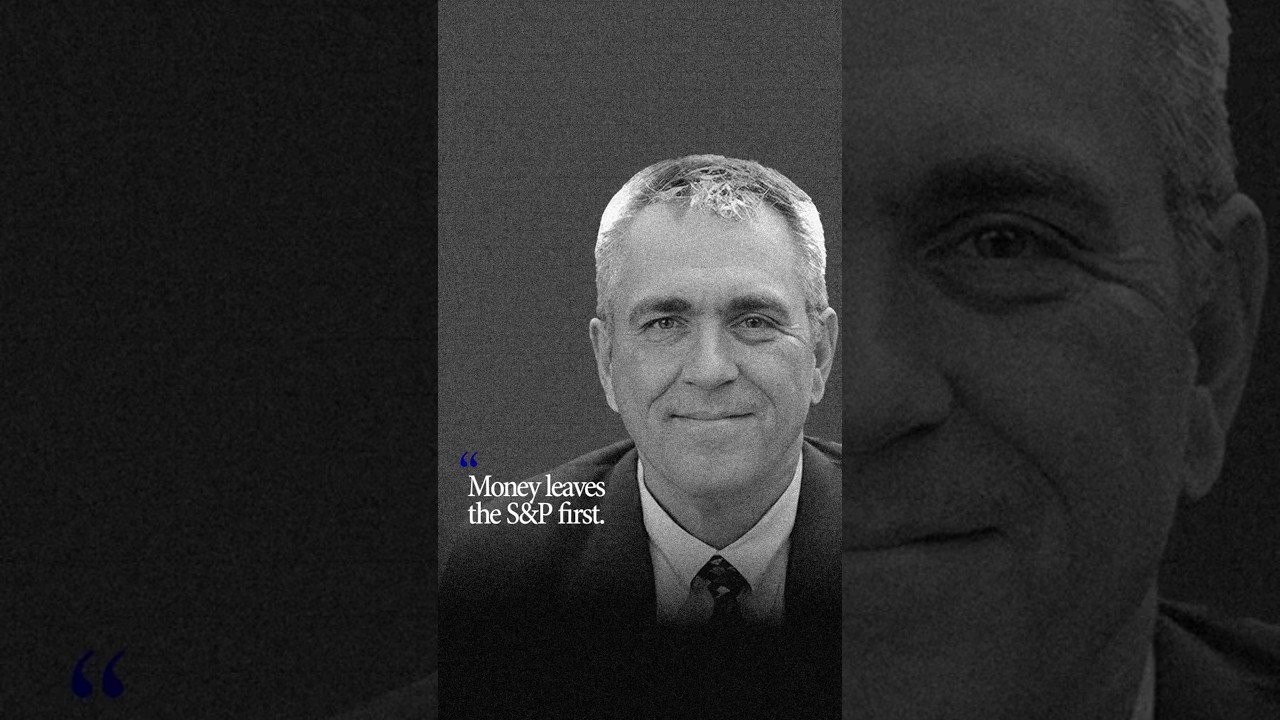
Why the S&P and Nasdaq Look More Vulnerable
- Top takeaway Horwitz argues that in a sell-off the S&P and Nasdaq would fall faster than the Dow and the Russell, making them the more vulnerable indexes as of July 2026.
- He says that when panic hits, money comes out of the S&P and moves to the Dow first before everything falls together, and he dismisses the risk-on/risk-off trade as nonsense.
- He compares current futures values: the Dow contract worth about $270,000 versus the S&P at about $380,000, a spread of roughly $110,000.
- He recalls that at the 2008 market bottom the Dow was actually worth more than the S&P.
Todd Horwitz argues that panic money leaves the S&P 500 for the Dow first, before a broadening selloff drags all indices lower. He expects the S&P and Nasdaq to fall faster than the Dow and Russell once a selloff takes hold. He contrasts the Dow's futures value (about $270,000) with the S&P's ($380,000), a spread of roughly $110,000. He points to 2008, when the Dow was worth more than the S&P at the market bottom, as precedent.
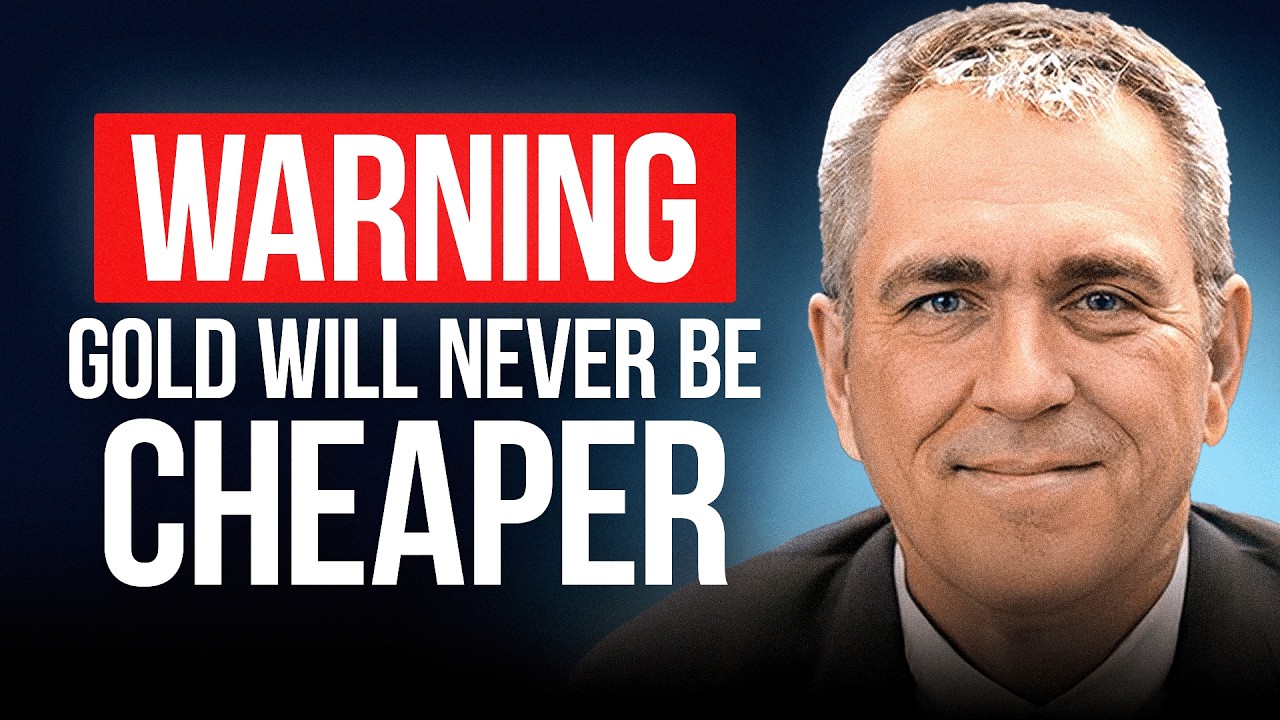
Bubba Horwitz: Gold Will Cimb To $8,000 Within 5 Years
- Top takeaway His headline call is gold at roughly $7,000–$8,000 within five years, extrapolated from gold's historical year-over-year rise rather than from any single catalyst.
- He says he would buy physical metal at the levels discussed on July 21, 2026 — gold near $4,000 and silver near $55 — treating $4,000 as the support level now being tested, and advises averaging into a position rather than waiting for a lower low.
- He no longer expects to reach his original $6,000 gold target this year, but if $4,000 holds he sees gold returning to the $5,000s, and calls the current pullback an overcorrection after gold and silver ran too far too fast.
- He maintains a long-standing call for a 40–60% equity decline, pointing to stretched valuations, consumer credit stress — 15% of the population 90 days past due on credit cards, with auto and mortgage defaults also rising — record earnings expectations and thin trading volume.
- He has been short crude since it traded at $100 and sees oil heading into the mid-$50s on global glut and Saudi barrels being sold to China at a discount, while still calling energy equities a sell.
Guest Bubba Horwitz sees equity markets falling 40% to 60%, citing stretched valuations and rising consumer delinquencies. He expects gold to hold near $4,000 support and reach $7,000 to $8,000 within five years, based on the metal's long-run annual gains. Rising interest rates are sapping gold's appeal as an inflation hedge, he says, because cash now offers somewhere safer to sit. He is a seller of crude oil and expects prices in the mid-$50s, pointing to global oversupply and Saudi Arabia selling into China. He advises scaling into metals rather than picking one price, and keeping long-term investing separate from short-term trading.

The Warning Signs Are Building in Markets
- Top takeaway The guest argues the market could fall 40-60%, saying there are too many warning signs, too much overvaluation, and too many market troubles as of the July 2026 video.
- He points to earnings-season expectations of 23% year-over-year growth as unusually high, leaving the market vulnerable to disappointment.
- He cites household debt stress: 15% of the population is 90 days past due on credit cards, 7% are defaulting on car loans, and 6% on mortgages.
- He says housing lending has returned to no-doc, stated-income, zero-down loans, and concludes home builders are in trouble.
- He notes the Nasdaq had just broken below key support at the time, while conceding the market could still go higher.
The speaker forecasts a 40-60% market decline, citing overvalued stocks, stretched earnings expectations, and deteriorating household credit as mounting warning signs. Credit stress is broadening: 15% of consumers are 90+ days past due on cards, with rising auto and mortgage defaults. No-doc, stated-income, zero-down lending is back, which the speaker reads as a familiar signal that homebuilders are in trouble. The NASDAQ has broken key support, though the speaker concedes warning signs alone do not rule out further market gains.

Brace For Impact: The Catalyst For A 60% Crash | Todd "Bubba" Horwitz
- Top takeaway Horwitz is looking for a 40-60% haircut in equities starting with the Magnificent 7 and AI stocks, and sees rising rates, with the 10-year Treasury yield going to 6%, as the likely catalyst as of July 8, 2026.
- He argues the bottom is in for gold around $4,000 and silver around $55, and says now is a reasonable time to accumulate physical metals without trying to pick the exact low.
- He warns that more than 14% of credit-card borrowers being 90 days past due and builders offering zero-down mortgages echo the run-up to 2008, and expects banks to end up holding bad paper again.
- He believes gold has already priced in the two rate hikes markets expect, stays bullish on gold long term, and says a panic out of equities could send money into precious metals.
- He is short oil and expects crude to fall into the $50s on a glut, while seeing grains and cotton leading a broader commodity advance.
Gold's bottom near $4,000 and silver's near $55 look intact to the guest, who argues long-term buyers can start accumulating physical metal. The guest warns lofty earnings expectations leave the AI-led market set up for a 40-60% decline beginning with the Magnificent Seven stocks. Rising credit card delinquencies and zero-down mortgage offers are the guest's warning signs of household stress echoing 2008. The guest expects two rate hikes priced for this year, with the 10-year Treasury yield heading to 6% as the crash trigger. Higher rates may pressure gold briefly, but the guest argues an equities panic would send money into precious metals while grains lead commodities higher.
Gold Bottom Is In? What Happens Next | Todd "Bubba" Horwitz
- Top takeaway Horwitz's top call as of the July 7, 2026 discussion: the bottom is in for gold at around $4,000 and for silver at around $55.
- He advises investing only money you can afford to commit and not panic-selling if prices fall a little further than expected.
- He expects a 40-60% haircut in equity markets, starting with the MAG7 and the AI stocks he says built the bubble.
- He points to the NASDAQ and S&P making subsequent lower highs from their original highs as a sign that lower prices are coming over time, though not necessarily right away.
- He notes markets are pricing in two rate hikes this year and believes the 10-year going to 6% could be the catalyst that knocks equity markets down.
The guest argues gold's bottom is in near $4,000 and silver's near $55, urging investors to hold through further dips. He expects a 40 to 60% stock market haircut, starting with the MAG7 and AI stocks he credits with building the bubble. Lower highs on the NASDAQ and S&P point to lower prices ahead, though not necessarily tomorrow, in his view. He sees markets pricing two rate hikes this year, with rates rising toward 6% potentially kicking markets lower. Investors should commit only money they can hold without panic if prices fall further than expected.

40%-60% Stock CRASH & $6000 Gold | Todd "Bubba" Horwitz
Horwitz warns that the current stock market rally is driven by retail investors, not institutional money, signaling a potential 40-60% market crash. He forecasts gold could reach $6000 per ounce, driven by severe inflation, massive consumer debt, and growing economic instability. Investors are advised to maintain disciplined strategies, avoid excessive debt, and hold physical gold and silver for long-term wealth protection.

The Next Market Meltdown May Already Be Starting | Todd Bubba Horwitz
Todd Horwitz remains short oil, gold, and equities, viewing the current market rally as a temporary dead cat bounce rather than a sustainable recovery. The underlying economic weakness, including a K-shaped economy, private credit stress, and overleveraged banks, poses a far greater systemic risk than geopolitical headlines. Physical gold is preferred over mining stocks as a safe haven, while AI-driven job destruction could further destabilize the already fragile consumer economy. The Federal Reserve is running out of options to manage the growing economic deterioration, increasing the likelihood of a significant market meltdown.
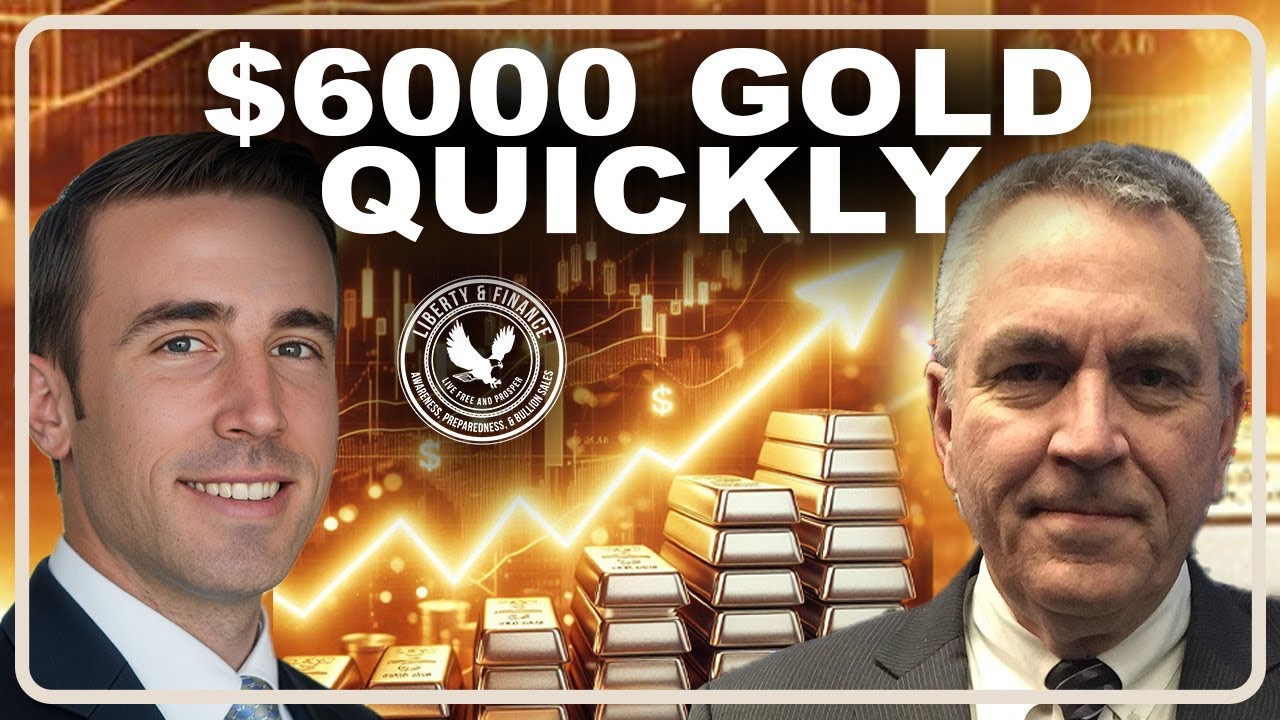
$6000 Gold, Silver Past $120 This Year | Todd "Bubba" Horwitz
- Top takeaway Sees the start of a brand new bull market — expects gold to reach $6,000 and silver back to $120 in the front half of 2026
- Believes metals are being driven higher by massive US debt, persistent inflation, central bank and government buying, and fiat currency erosion
- Flags that equity markets sit at 306% of M2 money supply — never seen before except the dot-com bubble — warning of a possible 50% haircut
- Warns metals will stay extremely volatile for weeks; advises picking entry and exit points in advance and avoiding leverage
- Sold some silver at $100; advises being pissed off about foregone gains rather than chasing tops
Bubba calls a brand-new gold and silver bull market, projecting gold to $6,000 and silver past $120 within months. Silver's 36% one-day crash was a parabolic blow-off that should consolidate sideways before the next leg higher. Markets trade at 306% of M2 money supply — a level only seen at the dot-com peak — which Bubba reads as the cleanest leading signal of a sharp equity sell-off. Investors should set exits before entries, avoid over-leverage, and write down why they own each position so volatility does not shake them out. Bubba is bullish grains, sees stagflation risk from AI-driven management job losses, and considers cattle overpriced.

Advice for Investors
- Top takeaway The guest urges investors to take some profits off the table — if you own 1,000 shares, keep 500 and let the rest ride, accepting you may miss a bigger gain.
- He recalls internet-bubble investors who made large gains, then lost it all while still owing tax on the money they had made.
- He argues greed is acceptable only if the risk that comes with it is controlled, so gains should be banked for taxes and for yourself instead of staying fully exposed.
- He describes trader psychology: in a falling market traders are never short enough, in a rising market never long enough, and after any big move they say they should have been long.
Selling part of a winning position into strength locks in gains and sets cash aside for taxes and personal use. Dot-com investors who rode gains back down still owed tax on the profits they had made, the guest recalls. Keeping half a position after taking profits preserves upside to a possible 50-bagger without risking the original stake. Traders' classic regret — never short enough in declines, never long enough in rallies — argues for a plan over emotion.
Key Quotes
"Gold is going to $6,000 and stocks will crash 40-60% because inflation is out of control and the average consumer is tapped out."
— YouTube interview on macroeconomic outlook
"The sharp selloff was predictable after a parabolic move. Silver surges, crashes, and attempts to rebuild a new base."
— Mexico Mining Center interview on silver volatility
"The banks are in big, big trouble"
— Warning about unprecedented Fed emergency lending
"Bull markets always end"
— Market commentary on AgWeb
Key Works
Horwitz's platform providing trading insights, market analysis, and precious metals commentary
Regular appearances on Fox Business providing market outlook and trading perspectives
Regular market analysis and trading commentary
Market analysis covering thin-volume rallies and systemic risks
Specializations
Disclaimer: Todd Bubba Horwitz has NOT endorsed this platform and is not affiliated with Pixys in any way.